Two Days in Huế, Mostly on Foot
Rain on a notebook, an unhurried bowl of noodles, and a short visit that left room to call home.
 John Le · Oct 12, 2025 · 10 min read
I bought a small umbrella in Huế because the one I had packed was in Hanoi. This was not a case of forgetting to bring an umbrella. I had put it beside my bag, considered the problem solved and left it beside the bag when the bag moved.
My wife found it after I arrived. She sent a photograph of it leaning against the wall, followed by a photograph of our daughter attempting to investigate the handle. At ten months old, our daughter had a serious interest in objects adults left within reach.
I was away for a brief work visit and had kept a little time around it to walk. My wife and I had discussed the arrangements beforehand. The time away was short, and I called when it fitted the rhythm at home rather than expecting everyone to stop for my view of a river.
The umbrella I bought was plain and slightly awkward to close. It became the main object of the trip, opening above a bowl of noodles, dripping beside a chair and occasionally turning into something I had to remember not to leave behind.
The first bowl
I ate before trying to see anything ambitious. Travelling makes me strangely capable of postponing an obvious need until it becomes an opinion about the entire place. A bowl of food restored the distinction between being tired and being disappointed.
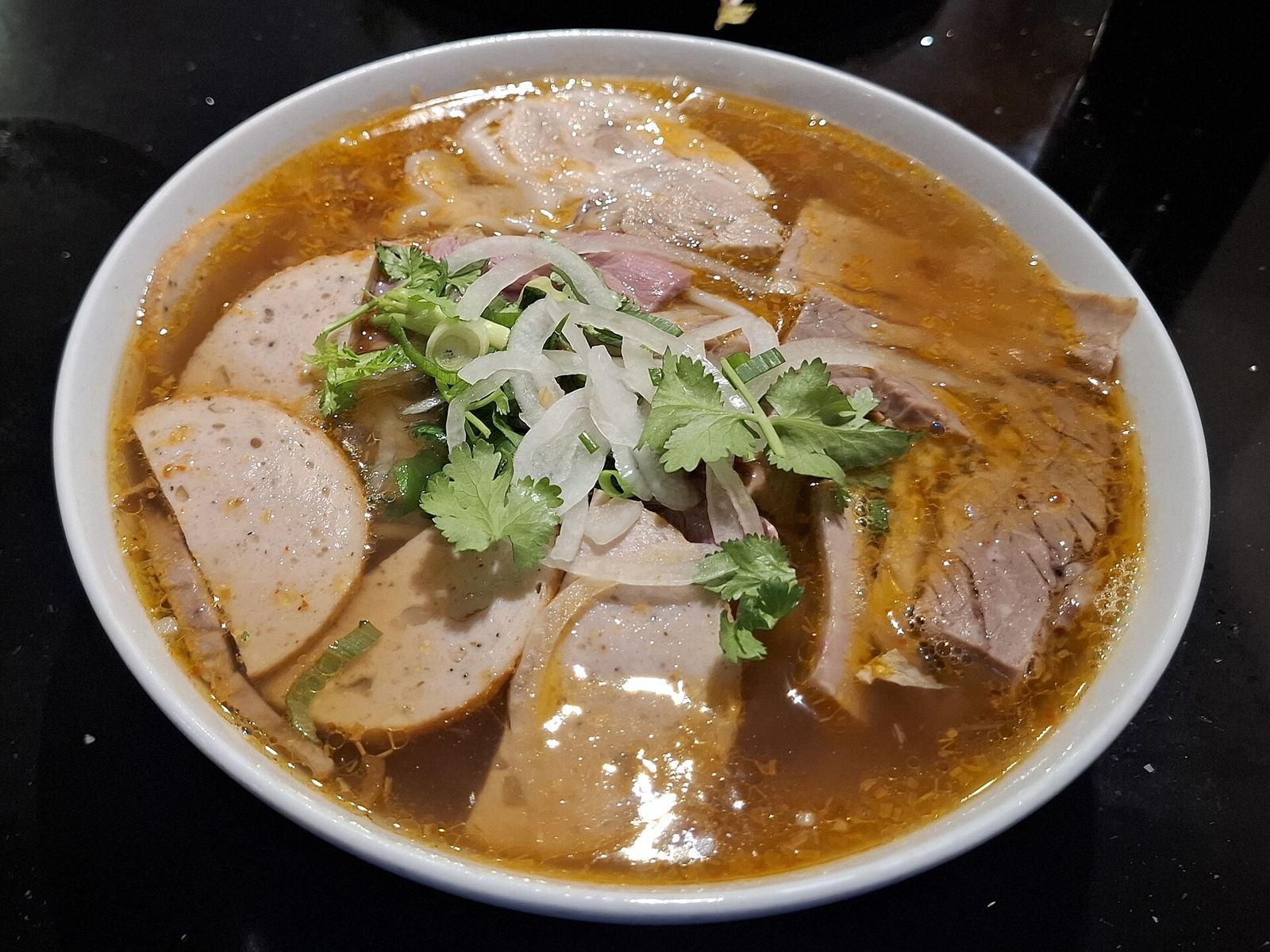
The broth was hot enough that I had to wait. I moved the herbs around, tasted it again and realised I had been eating too quickly before the first spoonful had even cooled. Around me, people were occupied with their own breakfasts rather than with the significance of mine.
I like eating local dishes, but I don't want to pretend that one meal gives me authority over a city's food. I knew what I liked in that bowl. I didn't know whether it represented someone's ideal version or simply a convenient breakfast near where I was staying.
The woman serving asked whether I wanted something added. I asked her to show me the amount first because I had already learned that my confidence about seasoning can exceed my actual preference. She smiled and waited while I decided.
Outside, the pavement was wet in patches. A motorbike stood close to the entrance with a rain cover folded over part of it. I checked the route on my phone, then looked up to make sure I was starting in the correct direction. This second step has prevented more wrong turns than any setting I have changed in a map application.
I had a short list for the two days: the citadel area, time by the Perfume River and enough room to eat without treating meals as interruptions. The work appointment occupied a fixed stretch. Everything else could move around weather and energy.
I left the breakfast place feeling that the city had already become easier to be in. Nothing remarkable had happened. I had simply stopped trying to walk on an empty stomach.

Walls and the pace of looking
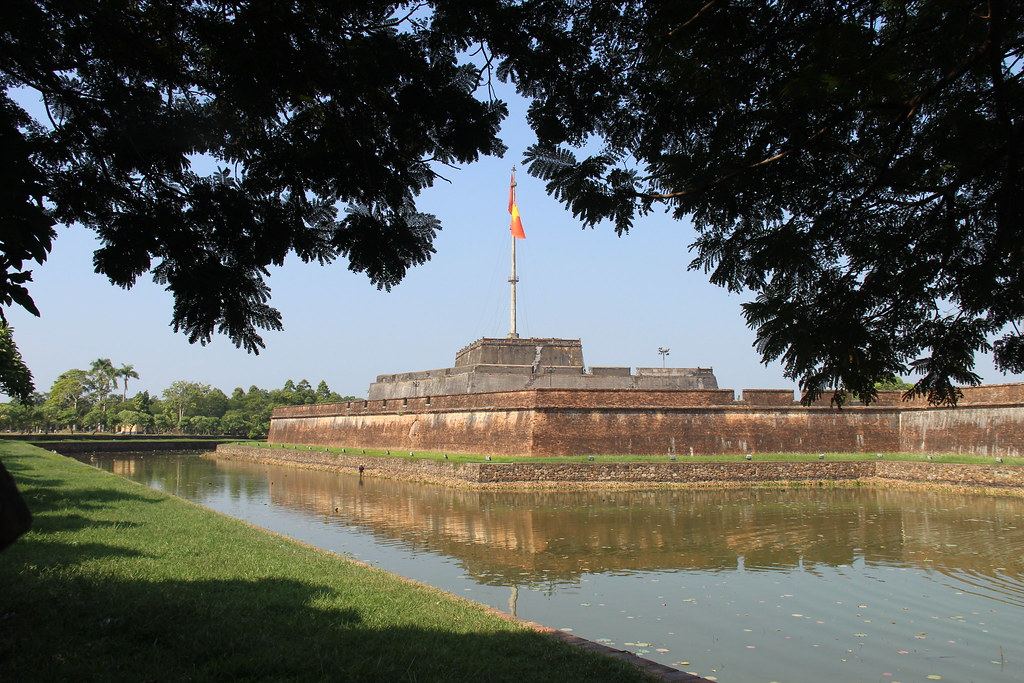
The citadel gave me more space than I had allowed for in my imagination. From a map, distances become neat separations between labelled points. On foot, they include heat, a pause for water and the time it takes to notice something beside the route.
I followed the visitor information available that day. Some areas invited a closer look, while others had boundaries that were easy enough to respect. I didn't need access to every corner to feel that I had seen something worthwhile.
What held me was often the edge of a surface: colour remaining under shelter, a worn threshold, a line where rain had darkened the material. I work with images, and sometimes that makes me look too quickly for recognisable objects. Here I enjoyed noticing changes that didn't need to be assigned a label.
The UNESCO description of the Huế monuments gives a useful sense of the larger ensemble and its relation to the river. Walking there, I was more aware of one patch of shade at a time. The broad description and the physical experience fitted together without being interchangeable.
I sat down when my feet asked me to. Nearby, another visitor was trying to fold a map that no longer wanted to return to its original shape. I felt an immediate sympathy. My umbrella was developing a similar relationship with its strap.
A sudden shower changed the sound of the area. People moved towards cover without much ceremony. I waited under shelter and watched water gather along an edge before falling in separate drops. The delay wasn't long, but it removed the sense that I should keep moving because I had a limited visit.
When the rain eased, I took fewer photographs than I had expected. I had several useful ones and no need to create a complete visual inventory. The notebook in my pocket contained a wet corner and a line about the sound of water, which was harder to photograph anyway.
A call from beside the river
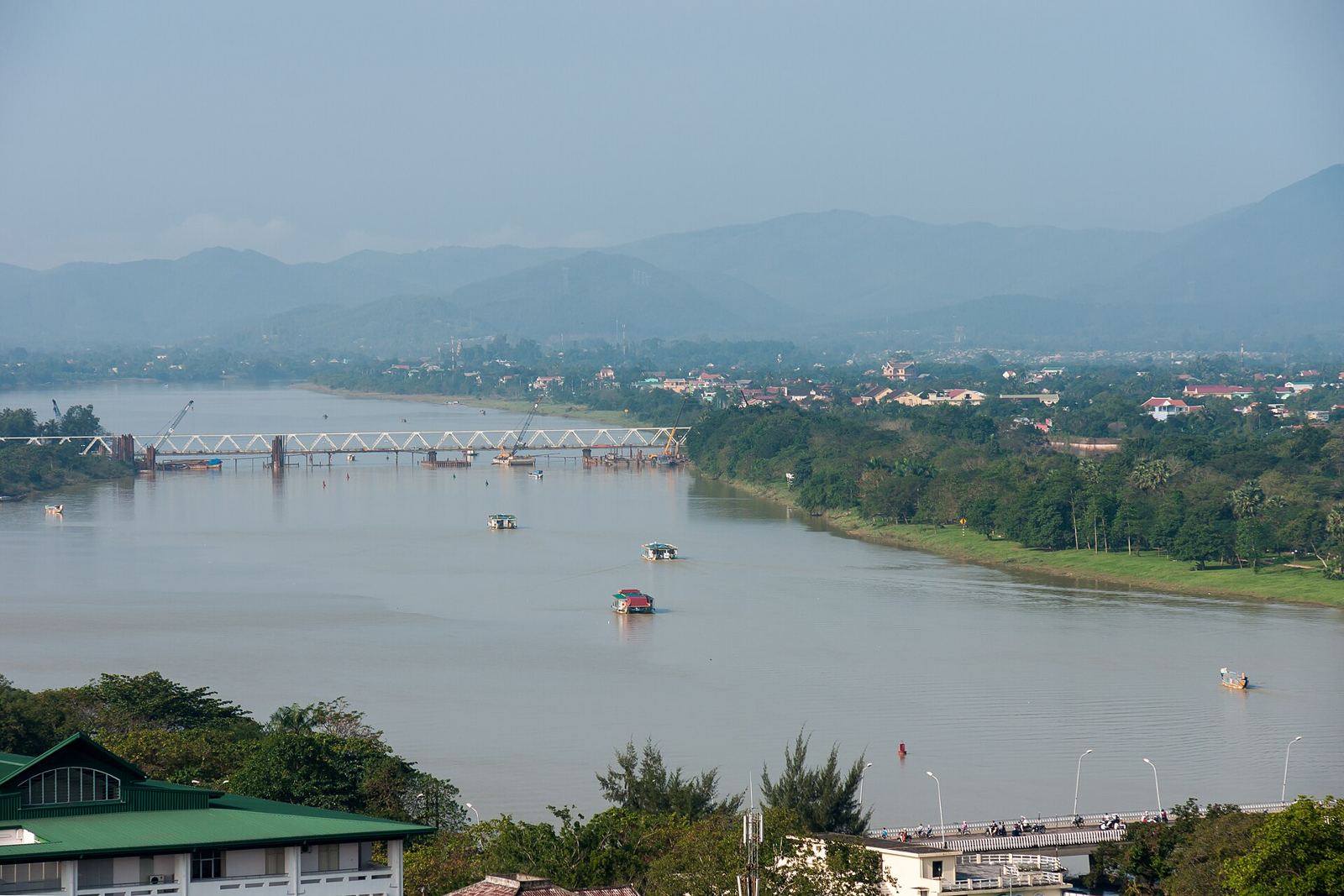
Later I walked near the Perfume River. The water looked different under the changing sky, and the air felt easier after the shower. I found a place to sit where I wouldn't be in anyone's way and checked whether it was a reasonable time to call home.
My wife answered quietly because our daughter had been close to sleep and then had reconsidered. I lowered my voice too, though the baby couldn't hear the river and my volume wasn't the main issue. Some household habits follow me across any distance.
I showed my wife the view for a few seconds. Then she turned the camera towards our daughter, who was more interested in a cloth than in her father's face on a screen. I said hello anyway. The cloth received a thorough inspection.
My wife asked whether the work part had gone all right. I gave her the short account and asked how her afternoon had been. She described a small practical problem at home. We worked out what could wait until I returned and what she had already handled.
Bring yourself back on time. We don't need a complicated present.
She said this when I asked what I should buy. I had been considering something fragile that would have required carrying carefully. Her suggestion was less picturesque and considerably easier to use.
After the call, I stayed seated for a while. Before becoming a father, I had imagined that travel and home would occupy separate compartments of attention. Now a river view could sit directly beside a conversation about laundry. Neither made the other less real.
I took one picture to send later and put the phone away. The weather was changing again, and I wanted to walk a little before the next shower decided where I would wait.

The useful hour indoors
The rain returned while I was near a small café. I went in, ordered a drink and chose a chair where the umbrella could drip without reaching anyone's shoes. A useful feature of the place was that nobody appeared to need my table immediately.
I opened the notebook. The page had a list of things I thought I might see, then several lines about food and the umbrella. I had written almost nothing about the work appointment because I had already recorded the necessary details elsewhere.
I tried to write a fuller description of the morning. The first sentence sounded like something intended to persuade a stranger to book a trip. I crossed it out. I wanted to remember the wet threshold and the map that wouldn't fold, not produce a slogan about a city.
From the window I watched someone park and adjust a raincoat before going inside a neighbouring doorway. A delivery rider waited under cover for a moment, then went back out. The city continued through the weather rather than pausing for visitors to receive better conditions.
I called my mother in Quảng Bình. She asked whether it was raining and told me what the weather was doing at home. Our conversation moved through two different skies and ended with the usual question about whether I had eaten. I could answer that one confidently.
The hour indoors was useful because I hadn't tried to rescue it. I finished the drink, let the notebook dry and looked at the route for the following morning. I removed one stop rather than adding another to compensate for the rain.
When I left, the umbrella was almost dry. I opened it anyway because the pavement still carried occasional drops from the trees. Half a street later, I realised I was carrying it like a personal roof against a sky that had already stopped raining.
A second morning
The next morning I went out early enough that I wasn't immediately negotiating with the heat. I walked without headphones. I wanted to hear where traffic was coming from, and I also liked the mixed sounds from shops opening and people beginning their day.
I returned to a stretch I had seen in rain. The difference was worth more to me than another completely new stop. A wall that had looked dark now showed a warmer colour. A place where I had hurried under the umbrella became a spot where I could stand without thinking about my wet sleeve.
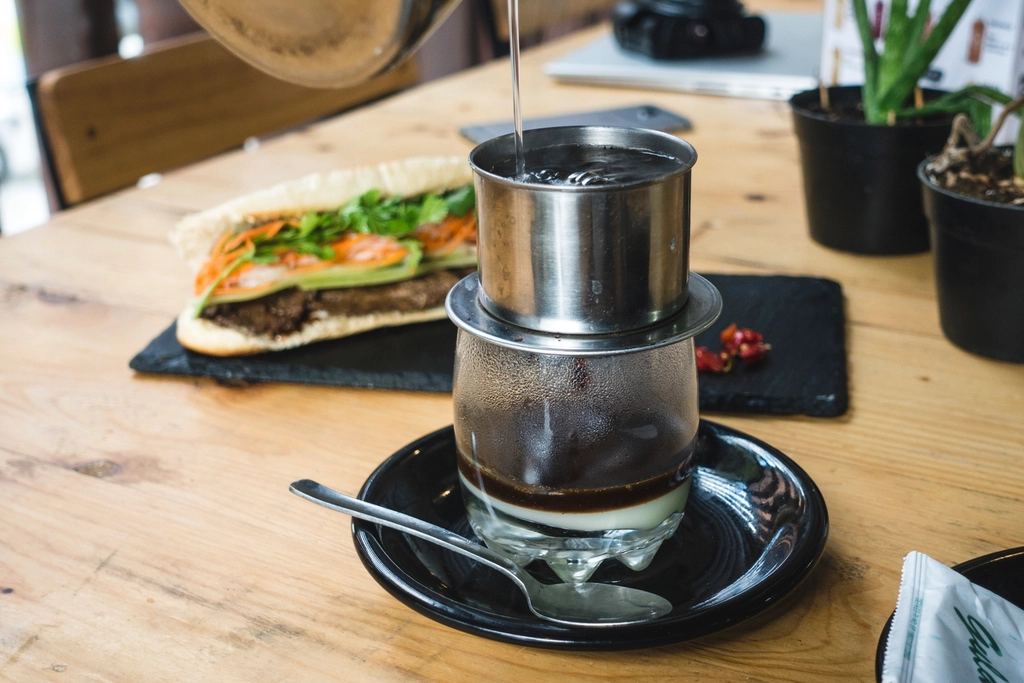
I ate a small breakfast and sat longer than necessary. A spoon clinked against a glass nearby. Someone discussed an ordinary purchase with the person beside them. I couldn't follow every word and didn't need to. It was pleasant to be surrounded by a morning that wasn't organised around my itinerary.
I thought about coming back with my wife and daughter when the timing suited us. That would be a different visit, with different distances and much more attention to naps. I resisted planning it in detail while the people involved were at home living through their own morning.
For lunch I chose a place based on what I wanted to eat and whether it had a seat, rather than on a saved list. The meal was good. I didn't photograph every dish before eating, which allowed it to remain hot enough to enjoy.
There were things I hadn't seen. I could have made their absence the story of the trip if I had wanted. Instead I wrote their names on the back page of the notebook as possibilities for another time. The distinction mattered: a possibility could wait without turning this visit into a failure.
I checked the return arrangements before setting out again. My wife had asked me to be on time. This was one part of the trip where a precise plan was more helpful than a relaxed attitude.
What fitted in the bag
I bought a small, practical thing to take home and packed it between clothes. It didn't require a special carrier or an explanation of how carefully everyone needed to treat it. The umbrella went in a separate place because I didn't quite trust it to be dry.
At the end of the trip, the notebook had no complete account of Huế. It had a few routes, a meal I wanted to remember and a description of rain falling from the edge of a roof. There was also a reminder to replace something at home that my wife had mentioned during the call.
That combination felt right. I had been away for a short stretch, not removed from the rest of my life. The work had been done, I had walked enough to feel a place under my feet, and I was returning with several ordinary details still clear.
Back in Hanoi, our daughter reached towards the strap on my bag before she showed much interest in the person carrying it. My wife asked whether I had brought the umbrella. I held it up. She pointed towards the original one, still leaning against the wall.
We now had two. I put the new one beside the old one and unpacked the small present. Later, after the baby was asleep, I showed my wife the photographs properly. She stopped at a quiet view of the river and asked what the weather had felt like there.
I told her about the shower, the chair in the café and how long I had sat without needing to move. Then I went to hang up a shirt that had stayed slightly damp in the bag.
— John
Written on Oct 12, 2025 · Hanoi
John Le · I work with AI and data in Hanoi and write here for friends.
Keep reading
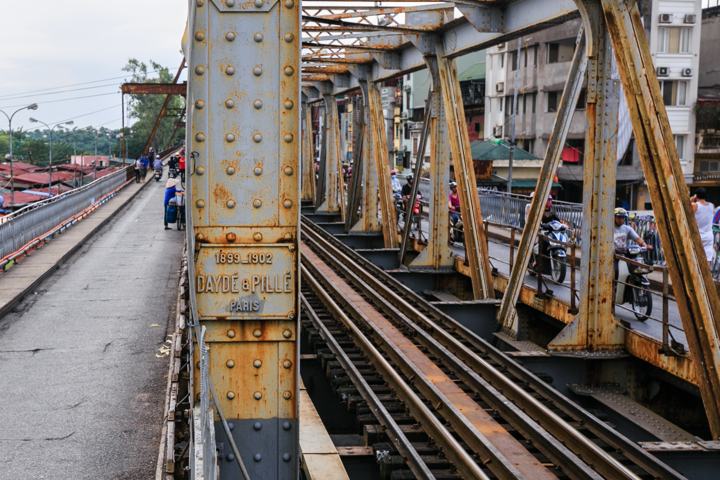
Hanoi, Slowly: A Weekend as a Visitor in My Own City
Looking at Hanoi again before our daughter arrives: dawn by the lake, the new metro, a train to Ninh Bình, and flowers for my wife on 20 October.
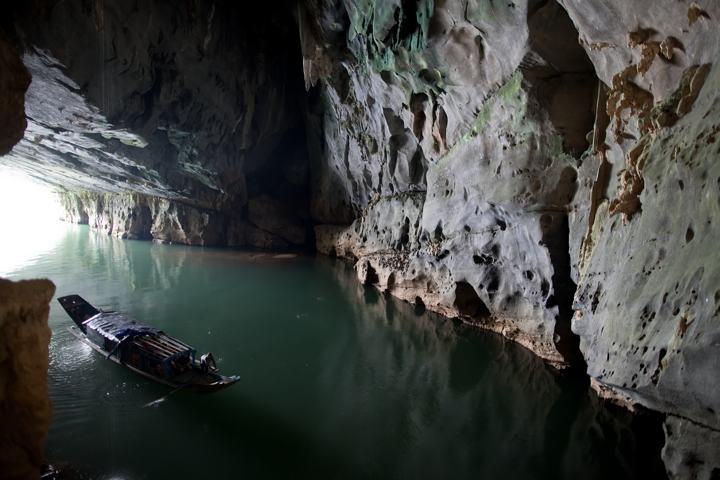
My Father Took the Window Seat
A day in Phong Nha with my father, spent partly on the river and partly learning how little a full itinerary would have improved it.
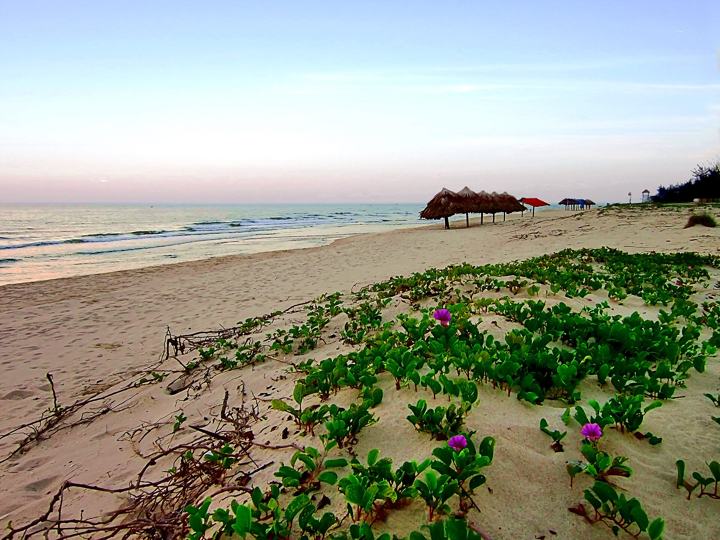
Đồng Hới Before the Beach Wakes
A morning at Nhật Lệ, breakfast with my parents, and the odd feeling of returning to a hometown that carries on without me.