My Father Took the Window Seat
A day in Phong Nha with my father, spent partly on the river and partly learning how little a full itinerary would have improved it.
 John Le · Aug 11, 2024 · 10 min read
My father said he didn't mind where we went, then asked three questions about the route before I had finished breakfast. He wanted to know when we would leave, whether we would eat before the boat and whether I had checked the weather.
I had checked the weather. I had also prepared a list of places that would have kept us moving until evening. He looked at the list, asked which one involved sitting on a boat and suggested that we start there.
We were in Quảng Bình, where my parents still live. I had come home from Hanoi for a short visit. My wife stayed in Hanoi, and my mother had decided not to join our outing. She gave us water and reminded us to eat at a sensible time, as if the two of us had a record of forgetting how lunch worked.
The plan became a day around Phong Nha, including the familiar river approach to the cave. I had grown up in the province and still managed to arrive with the overfull schedule of someone afraid that a day would be wasted if it contained an empty hour.
Getting out of the house
Leaving took longer than expected. My father went back for his hat. I went back for the water my mother had already placed beside the door. She watched us perform these small reversals with an expression that suggested the day was going exactly as she had anticipated.
On the way, I tried to explain a detail from work. My father listened, then asked whether the camera I was describing needed to be cleaned regularly. I had been explaining image recognition. He was considering what would happen to an object installed in a place where people used it every day.
His questions often arrive from this direction. I give him the complicated part as I understand it, and he asks about the cable or the dust. Sometimes I answer too quickly. Later I discover that the dust was relevant.
We talked about people at home and a repair someone had made recently. There were stretches when neither of us said anything. I didn't feel required to fill them, though I checked the time more often than he did.
As the scenery changed, the list on my phone began to seem less urgent. The road was already part of the day. I could have spent the whole journey preparing for the next stop and arrived with only a vague memory of how we had got there.
My father noticed a place selling something he wanted to bring back. I said we could stop on the return journey. He asked whether I would remember. I said yes, with more confidence than the previous incident with the water justified.
We reached the area near the river and took a moment to work out the arrangements. I checked the information available there rather than relying on a price I had seen in an old account online. Conditions and visitor arrangements can change. For this day, I wanted the actual instructions in front of us.
The river first
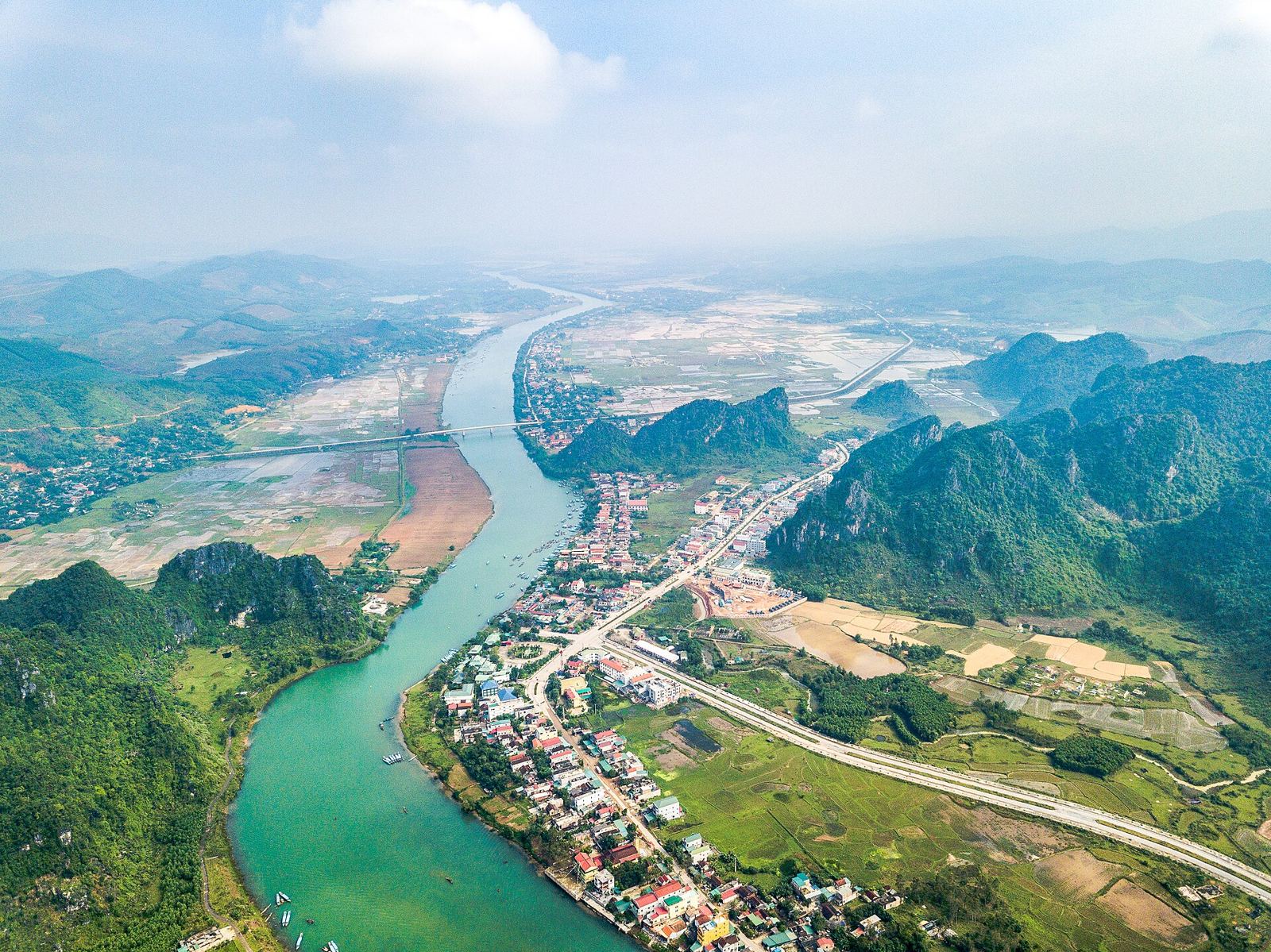
The Son River gave the outing a different pace. Once we were settled in the boat, there was very little I could do to improve our speed. My father took a seat where he could look out comfortably. I put my phone away long enough to notice that my shoulders had dropped.
The water reflected the banks in broken pieces. A boat passed and left movement behind it. Farther away, the limestone shapes seemed at first like one continuous wall, then separated as our angle changed.
I had seen photographs of this approach. The photographs didn't include the small adjustments of sitting in the boat or the brief conversations between people deciding where to put a bag. Those ordinary details made the place feel less like an image I was trying to match.
My father pointed to something on the bank that I missed. By the time I turned, the view had shifted. He said it didn't matter. I found this easier to accept here than I usually do while travelling. There would be something else to look at without needing to recover every missed second.
I asked whether he remembered visiting before. He recalled part of an earlier outing but wasn't certain of the year. I offered a date. He considered it and said perhaps. We left the memory approximate rather than turning it into a small argument.
You can take the picture after you've looked.
He said this when I lifted the phone again. It wasn't a complaint about phones in general. I had simply been pointing it at something before checking what was there. I lowered it and watched the bank move past for a while.
The approach to Phong Nha Cave by river is one of the place's distinctive experiences. Sitting there, I understood why I had wanted to bring him even before we reached the entrance. We were both available for a whole unhurried stretch, with no household repair waiting directly in front of us.

A change in temperature
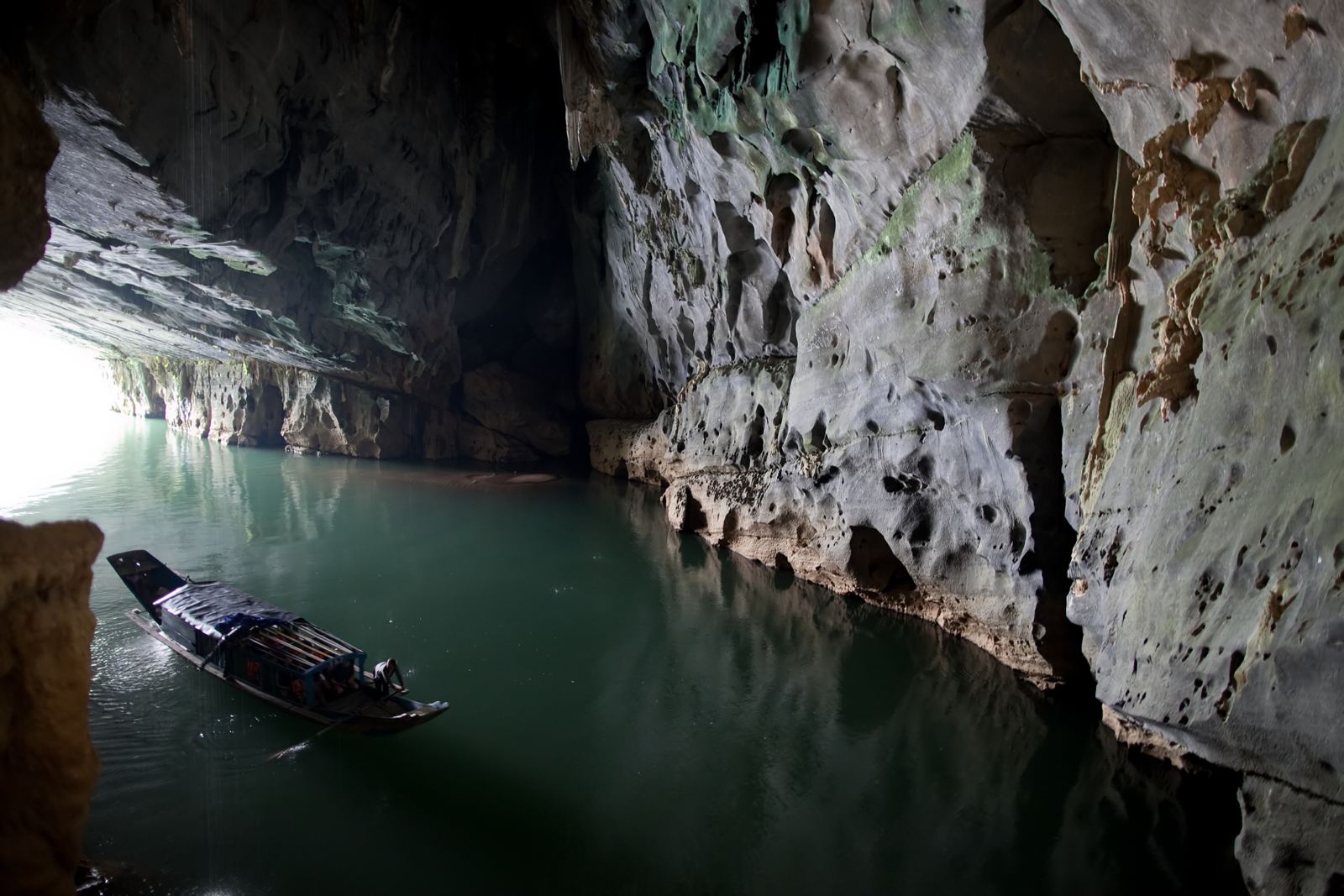
Inside, the light changed first. The bright exterior became a shape behind us, and the cave made the boat seem smaller. I became more aware of sounds nearby because there were fewer familiar visual details competing with them.
The surfaces were difficult to take in at once. A formation that looked smooth from one angle acquired folds from another. My first attempts to photograph it produced a flat, dim version of what I was looking at. I stopped trying to make the phone understand the whole space.
We followed the visitor route and the instructions given that day. I stayed where we were meant to be and kept my hands off the formations. It was easy enough to enjoy the place without turning curiosity into an excuse to touch everything.
My father moved more slowly where the footing needed attention. I almost told him to be careful, then realised he was already being careful. I stayed nearby without narrating every step. There is a form of help that consists mostly of making sure the other person has room to do something themselves.
At one point we stood looking at the same formation and saw completely different shapes. I saw an animal. He saw something resembling a folded piece of cloth. Neither interpretation improved with explanation. We laughed and moved on.
I had brought expectations of scale, but the smaller details held my attention longer. Water gathered in one place. A narrow edge caught the light. The colour changed where a surface turned away. I didn't need a name for every feature to look at it carefully.
When we returned towards the brighter opening, I noticed how quickly my eyes began searching for the familiar world outside. My father asked whether I had enough photographs. I said yes. In fact, I had several poor ones and one reasonable picture of his hat sitting on the bag.
Lunch without a second destination
By the time we ate, my original schedule was already unrealistic. I could still have tried to rescue it by shortening lunch. Instead, I put the phone face down and asked my father what he wanted to eat.
He wanted something ordinary and a place to sit. We found both. The first useful object on the table was a glass of water. He took off his hat, placed it beside him and rubbed the mark it had left on his forehead.
We talked about my life in Hanoi. I gave him a less compressed answer than the one I usually offer on the phone. Work was busy, but some of the busyness came from my own reluctance to finish a task that could always be improved a little more.
He didn't give me a speech. He asked whether I was sleeping enough. I said usually. He looked at me in a way that suggested usually was a flexible word. Then he asked about my wife and whether the apartment was too hot in the afternoons.
I asked about his week. The answer included an errand, a neighbour and a part he had been unable to find for something at home. I asked a follow-up about the part because I genuinely wanted to understand. The conversation became more detailed than our usual calls, which often close as soon as we have established that everyone is well.
A fan moved warm air across the room. Someone at another table was trying to divide the bill. My father leaned back and looked towards the door. We had no immediate reason to leave, and I resisted inventing one.
When I checked the list again, I crossed out the extra stop. There was still plenty of afternoon left. It didn't need to be accounted for in advance.

The stop I almost forgot
On the return journey, I nearly missed the place my father had pointed out earlier. He didn't say I told you so. He merely looked at me until I remembered why he was looking.
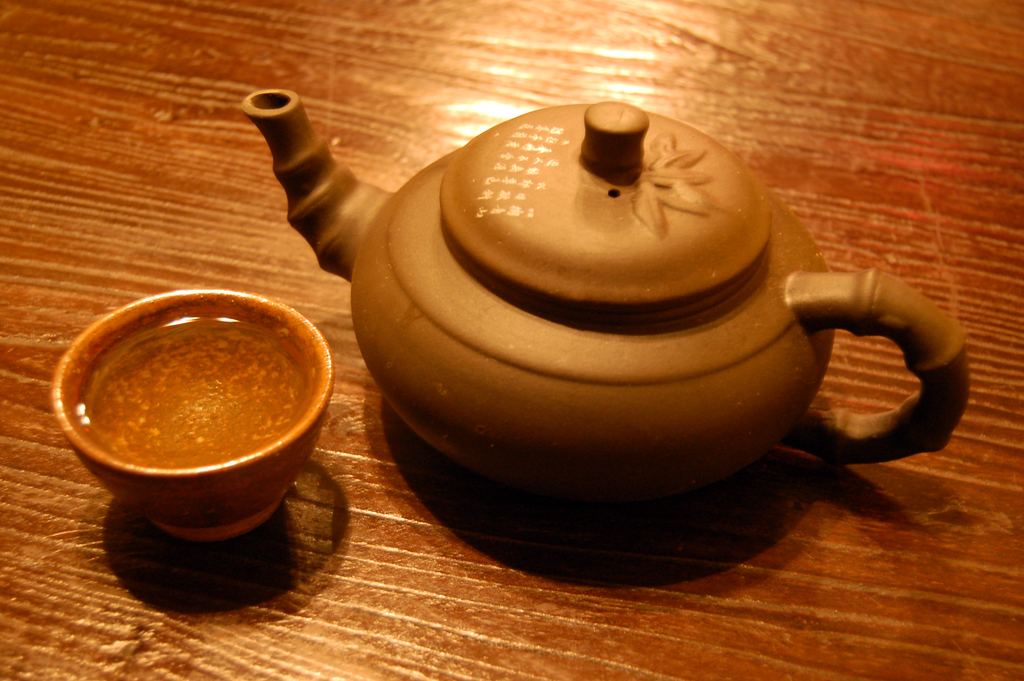
We stopped and bought what he wanted. The transaction took a little longer because he asked a question about quality and the seller answered properly. I stood nearby holding the bag and found myself enjoying being the person with no decision to make.
My phone had a message from my wife asking how the outing was going. I sent the picture of the boat approach and another of my father looking away from the camera. She replied that he looked comfortable. That was a better description of the day's success than anything on my original list.
My mother called to ask when we would be back. My father answered with a rough estimate. I would have checked the route and calculated something more exact. His estimate turned out to be adequate, and nobody required a progress report from every turn.
The afternoon light lay differently on the road. I recognised a place we had passed in the morning and felt the brief satisfaction of fitting two views together. My father was quiet for a while, with the bag beside him and his hat tilted back.
I thought about how often I invite my parents into plans that are already shaped around my own preferences. This day had improved as soon as I let his interest in a boat become more important than my interest in covering several destinations. He hadn't needed a grand outing. He had needed a comfortable seat and enough time for lunch.
When we reached home, my mother asked whether we had eaten properly. My father said yes before I could provide details. She inspected the bag from the roadside stop and appeared more interested in that than in the cave photographs.

The things we brought back
I put the water bottles on the table. One was still almost full. My mother said she had expected that, but she had wanted us to have it anyway. My father went to put his hat in its usual place and then came back to ask for the photographs.
We looked through them together. I deleted a blurred picture after showing him the blur, which he found mildly entertaining. He preferred an ordinary view of the river to the darker cave images. I sent the ones he wanted so he could open them on his own phone.
Later, he showed my mother the photograph of the boat approach. He described where we had sat and mentioned the lunch. His account included the stop I had almost forgotten. The day sounded complete in his version without any reference to the places we had skipped.
I had taken notes on the route because I thought I might want to remember practical details. The most useful note I added that evening was that lunch had taken as long as it needed. It wasn't advice for every trip. It was a record of what had made this one work for us.
Before bed, I called my wife. She asked what we would do tomorrow. I said I hadn't decided. From another room, my father asked whether I had seen where he'd put the small bag. I found it on the chair beside his hat and carried it over before returning to the call.
— John
Written on Aug 11, 2024 · Hanoi
John Le · I work with AI and data in Hanoi and write here for friends.
Keep reading
Two Days in Huế, Mostly on Foot
Rain on a notebook, an unhurried bowl of noodles, and a short visit that left room to call home.
Hanoi, Slowly: A Weekend as a Visitor in My Own City
Looking at Hanoi again before our daughter arrives: dawn by the lake, the new metro, a train to Ninh Bình, and flowers for my wife on 20 October.
Đồng Hới Before the Beach Wakes
A morning at Nhật Lệ, breakfast with my parents, and the odd feeling of returning to a hometown that carries on without me.