Hoi An, Hue and Da Nang in November 2026: Flood Risk, What Happens When It Floods, and How to Re-Route Your Trip
Hoi An, Hue or Da Nang in November 2026? How the flood season works, this year's official outlook, what a flood day looks like and how to re-route your trip.
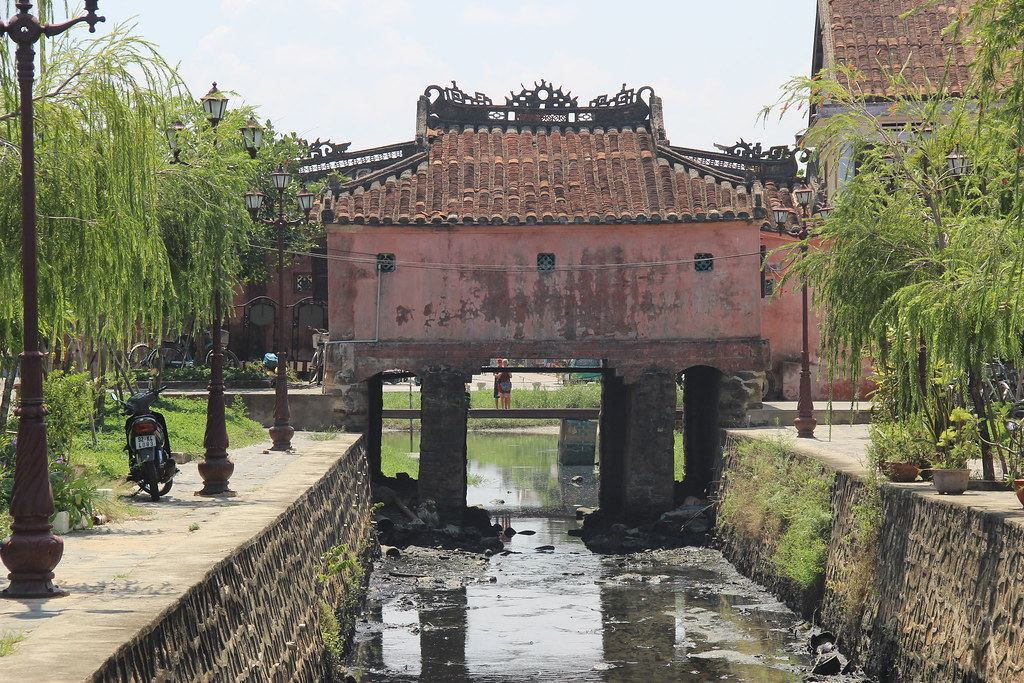
Every autumn, friends abroad send me the same message: "We're doing Hội An in November. Is that a mistake?" Not a mistake, I tell them, but a gamble you should plan for. Below is what I found going through the official forecasts and Vietnamese news on 18 October 2026.
The short answer
Go if your dates are flexible and your central Vietnam leg is short. Keep bookings refundable and stay somewhere easy to leave. If the whole trip hangs on three fixed nights in Hội An's old town, think again, or move them to February to April.
Related reading: Vietnam Pre-Arrival Information (PAI) 2026: Is It Mandatory, Which Airports, and How to Fill It In · Hanoi to Hoi An (2026): Fly, Take the Train, or Go via Huế?
How the flood season works
On the central coast, the rainy season runs roughly from September to December, and October and November usually bring the heaviest rain. The northeast monsoon pushes wet sea air against mountains that sit close to the coast, so rain falls hard on a narrow strip and the short rivers through Huế (the Perfume River) and Hội An (the Thu Bồn and its branch, the Hoài) rise fast.
Last year showed how bad it can get. In late October 2025 the Thu Bồn passed its 1964 record, and VnExpress reported that tourism in Hội An's old town almost stopped for four to five days. Hội An flooded again on 17 November. December tends to be calmer, but floods can still happen.
What 2026 looks like so far
The season has started. Heavy rain from 6 to 9 October flooded parts of Huế, and AP reported water more than a metre deep in some Đà Nẵng streets, plus landslides on mountain roads. More flash-flood warnings for Quảng Trị, Huế and Đà Nẵng followed on 13 and 14 October.
The longer outlook is calmer. On 15 October, Vietnam's National Center for Hydro-Meteorological Forecasting (NCHMF) said a very strong El Niño will likely last through January. It expects below-average rain in many parts of the centre and fewer storms than usual from November to January, but still some spells of moderate to heavy rain from Hà Tĩnh to Huế in November and December.
But "below average" still means rain. One heavy three-day spell, like early October's, is enough to put Hội An's riverfront under water. When I checked on 18 October, NCHMF's newest warnings were for the south and the central highlands, with no storm warning on its front page. That can change within days.
What a flood actually looks like
Hội An. Water comes up from the Hoài River onto Bạch Đằng, the riverfront street, then spreads to Nguyễn Thái Học and towards the Japanese Covered Bridge. Nguyễn Phúc Chu, across the river on the An Hội side, goes under too. In a moderate flood a few streets are knee-deep and boats come out. Shopkeepers know the drill: stock goes into plastic bags and upstairs as the water rises. Smaller floods tend to come and go within a few days.
The 2025 flood was another level. In 2025, many shops sat under two to three metres of water, power went out, and a Canadian visitor told VnExpress she was stuck for about 48 hours. Don't count on a fun boat ride either: in a 2020 flood, authorities closed roads under more than 30 cm of water and banned all boats except official ones.
Huế. Low parts of the city flood when the Perfume and Bồ rivers rise. In October 2025, water surrounded a corner of the Imperial City, several big hotels flooded, and a French group told VnExpress they gave up on sightseeing, skipped Hội An and flew south.
Đà Nẵng. It floods too, as this month showed. But it has the airport, the main station and the most hotels, so when plans fall apart you're already at the exit. Since July 2025 Hội An has been part of Đà Nẵng city, so Vietnamese warnings for "Đà Nẵng" now cover Hội An.
Trains, flights and roads
Trains are the most exposed. When the 2025 flood put water 15–20 cm over the tracks, the North–South line through Huế closed from 27 to 31 October. Several SE trains were cancelled and passengers were shuttled past the flooded stretch. Vietnam Railways offered full refunds or exchanges within 30 days. The Hải Vân pass section, between Huế and Đà Nẵng, gets rockslides too: in March 2026 one derailed a freight train, and buses replaced trains between Đà Nẵng and Lăng Cô.
Flights stop mainly for typhoons, usually for hours rather than days. When Typhoon Bualoi hit in September 2025, Đà Nẵng airport closed from 6 to 11 am and Huế's Phú Bài from 8 am to 2 pm. I found no reports of either closing during the October 2025 flood. Floods can still shut an airport by cutting its roads and power, as happened at Tuy Hòa, further south, for 14 hours in November 2025.
Roads get landslides and flooded low sections; the October 2025 floods disrupted 19 national highways. In past floods the airport often kept working while the roads to it didn't.
How to book a November trip in the centre
- Keep the central leg to three or four nights, with a spare day either side.
- Book hotels with free cancellation and flights you can change. Airlines sometimes waive fees during floods (Vietjet did for three airports in November 2025), but that's case by case.
- Ask for a room above the ground floor. In Hội An, ask the hotel straight out: did water come in during October 2025, and is there a generator? A river view is lovely until the river is in the lobby.
- Unsure? Sleep in Đà Nẵng and visit Hội An on a clear day.
- Fly, rather than take the train, for any leg you can't afford to lose.
- Read your travel insurance wording. Many policies won't cover a storm that was already named or forecast when you bought the cover.
- Check the forecast three to five days out, and again the night before.
Where to check. NCHMF is the official source; its Vietnamese pages are fuller than the English section, and browser translation copes. VnExpress International and Tuoi Tre News cover floods in English. Words worth knowing: lũ (flood), ngập (flooded), báo động 1, 2, 3 (river alarm levels; 3 is the highest), lũ quét (flash flood), sạt lở (landslide), tạm dừng chạy tàu (trains suspended). For your own street, ask the front desk.
Plan B: go north or go south
North. November is one of Hanoi's driest months, cool and often sunny, and Ninh Bình is about two hours away. The trade-offs: the first cold fronts arrive, and the air gets hazy on still days.
South. Ho Chi Minh City is at the tail end of its rainy season, so expect some showers. Phú Quốc's dry season usually starts in November or December, and the Mekong Delta is near the end of its high-water season.
Don't assume the south-central coast is a safe swap. In November 2025, Gia Lai, Đắk Lắk and Khánh Hòa had record floods, with rain records broken at Quy Nhơn and Cam Ranh. Quy Nhơn and Nha Trang sit in that same belt.
A two-week route that keeps the centre short
- Days 1–4: Hanoi, plus a day or a night in Ninh Bình.
- Days 5–6: Hạ Long or Lan Hạ Bay.
- Days 7–9: fly to Đà Nẵng for Hội An and, weather allowing, a day in Huế. All refundable.
- Days 10–11: fly to Ho Chi Minh City.
- Day 12: Mekong Delta.
- Days 13–14: Phú Quốc.
If the forecast turns bad around day 5, drop days 7–9 and stretch either end. You'd miss Hội An, but the rest of the trip still works.
Last checked 18 October 2026. Forecasts change daily. Before you travel, check the latest NCHMF bulletins and follow local authorities' instructions. Nothing here is a safety guarantee.
Sources
- AP via Mongabay, 9 Oct 2026: floods in Huế and Đà Nẵng
- VietnamPlus, 15 Oct 2026: NCHMF outlook to January 2027 (Vietnamese)
- VnExpress International, 30 Oct 2025: tourists in the Huế and Hội An floods
- VnExpress International, 6 Nov 2025: floods disrupt tourism
- VnExpress International, 4 Dec 2025: November rain records
- Dtinews, 31 Oct 2025: railway through Huế reopens
- Dtinews, 29 Oct 2025: trains suspended, refunds offered
- Tuoi Tre News, 14 Mar 2026: derailment on Hải Vân pass
- Tuoi Tre News, 28 Sep 2025: airports close for Typhoon Bualoi
- Tuoi Tre News, 31 Oct 2025: highway disruption
- Vietnam Government News, 20 Nov 2025: Tuy Hòa airport
- Vietjet, 21 Nov 2025: flood change policy
- VTC News, 15 Oct 2022: Hội An streets in a flood (Vietnamese)
- VnExpress, 8 Oct 2020: how Hội An prepares (Vietnamese)
- Viet Nam News, 4 Jul 2025: Đà Nẵng and Quảng Nam merge
Read next
John Le · Hanoi local · writes about everyday costs and life in Vietnam. Spotted an outdated price? Tell us and we will update it.
Keep reading
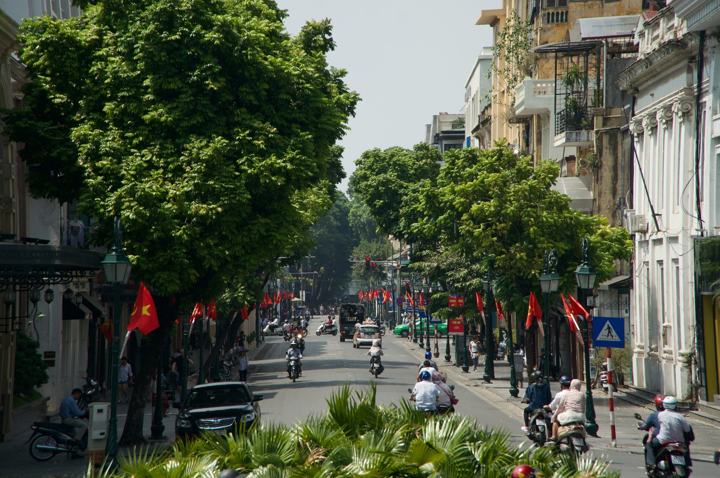
Vietnam Pre-Arrival Information (PAI) 2026: Is It Mandatory, Which Airports, and How to Fill It In
Vietnam's PAI arrival form in 2026: what official sources say about mandatory vs optional, the five airports, the 3-day window, the fields and common errors.
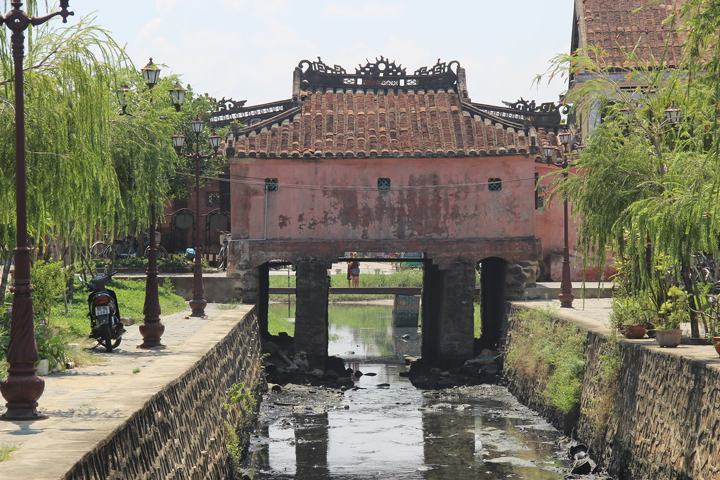
Hanoi to Hoi An (2026): Fly, Take the Train, or Go via Huế?
How to get from Hanoi to Hoi An in 2026: there's no airport in Hoi An, so it's a flight or train to Đà Nẵng and a short ride on. Times, rough costs, the Huế detour, the ancient town ticket and when the floods come.
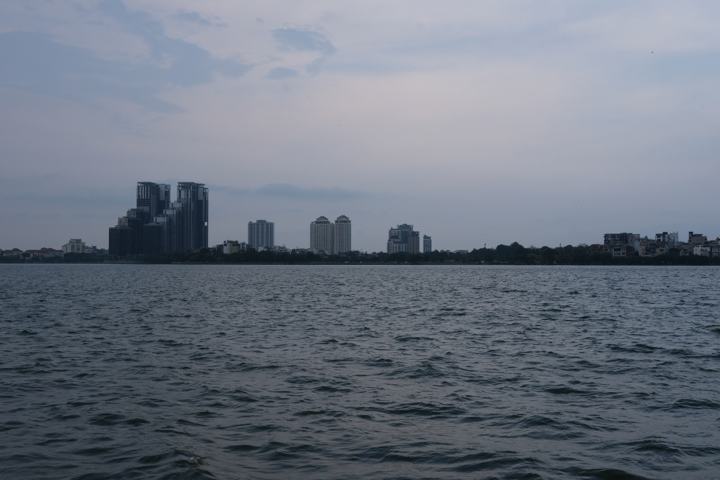
West Lake (Hồ Tây) Hanoi: Trấn Quốc Pagoda, Sunsets, Cycling and Where to Eat
Why West Lake beats Hoàn Kiếm for an evening in Hanoi: Trấn Quốc Pagoda, the right side of the water for sunset, shrimp cakes, cycling the 17 km loop, the café streets of Quảng An and Phủ Tây Hồ.