Vietnam Weather in Winter: North vs Central vs South (December to February)
Vietnam is three climates in one country. What winter (December–February) is really like in Hanoi, Sapa, Huế, Đà Nẵng, Ho Chi Minh City and Phú Quốc, and how to plan around it.
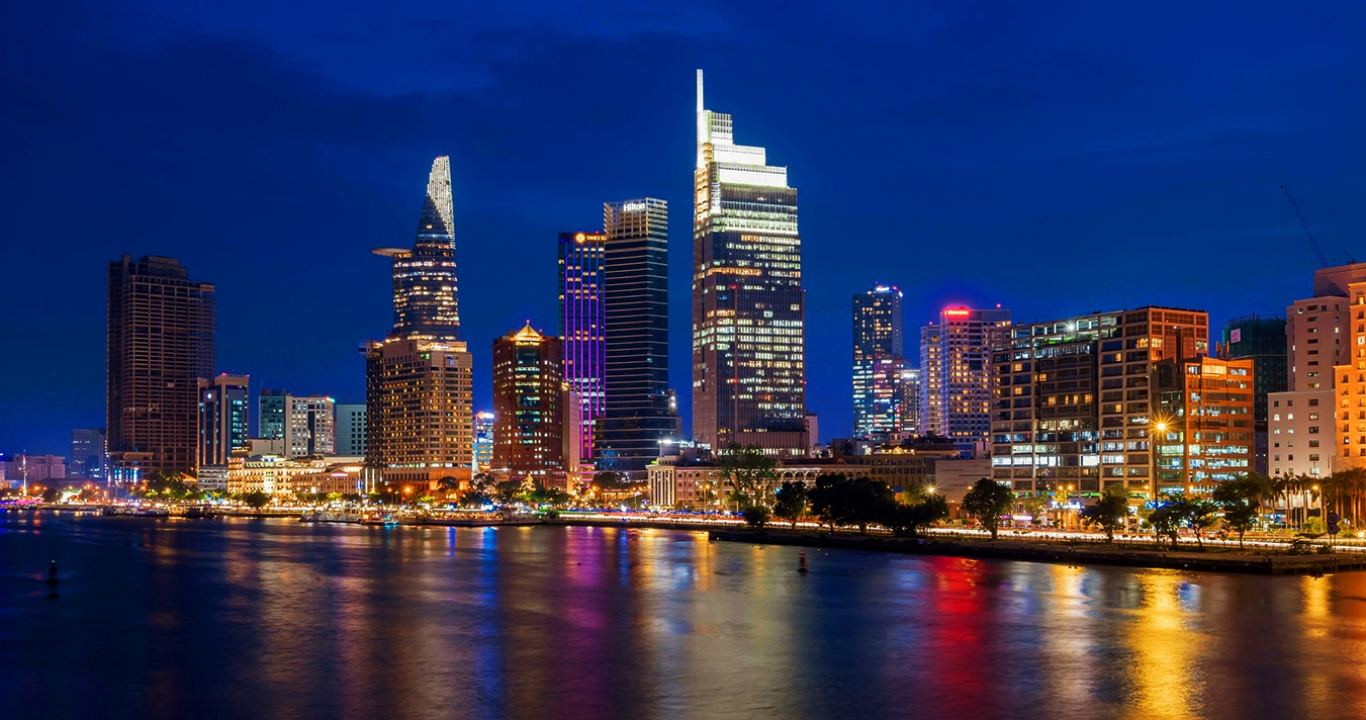
Every January, the same photos go round Vietnamese social media: someone in Hanoi in a puffer jacket and wool hat, and a friend in Saigon in shorts by a pool, on the same afternoon. Vietnam stretches about 1,600 km from north to south, and between December and February the two ends of the country are in completely different seasons.
The north: a real, damp winter
In Hanoi, winter runs roughly from December to February. Days usually sit somewhere between 12°C and 22°C, and cold fronts can push it below 10°C for a few days at a time. It feels colder than the number because the air is humid and most homes have no heating.
From around February, the north often gets *mưa phùn*, a fine drizzle that lasts for days, and *nồm*, a sticky humidity that leaves walls and floors wet and can hang around into April. Locals run dehumidifiers and complain about laundry that never dries.
Mountains (Sapa, Hà Giang): much colder. Nights can drop close to 0°C, frost forms on the higher slopes in some years, and snow is rare but not impossible. Fog can hide the views for days.
Hạ Long Bay: cool and often misty. Cruises run, but swimming is for the brave.
The centre: the tail end of the rainy season
The centre runs on a different clock. Huế, Đà Nẵng and Hội An get their heaviest rain from about September to December, and floods can hit in October and November. By January the worst is usually over in Đà Nẵng and Hội An, with temperatures around 18–25°C and plenty of grey days. Huế stays wetter for longer; drizzle there can drag on into February.
If you visit Hội An in December, pack a rain jacket and check flood warnings before you go.
The south: dry, hot and sunny
Ho Chi Minh City, the Mekong Delta and Phú Quốc are in their dry season from about December to April. Expect 24–33°C, blue skies and very little rain. December and January are the most comfortable months in the south because the humidity is a bit lower than later in the dry season.
Hotels on Phú Quốc know it, and room prices climb from mid-December, peaking over New Year and Tết.
Đà Lạt: the exception
Đà Lạt, up in the south-central highlands, is cool all year. In winter it's dry and sunny by day and cold enough at night, around 12–23°C, that Saigon families drive up just to wear the jackets they never get to use at home.
Planning around it
If you're covering the whole country, travel north to south. You get Hanoi's cool weather first, pass the central coast as its rain is easing, and finish in the southern sun, where you can give away the jacket you bought on Hàng Đào. If you only want beaches, skip the north entirely and fly straight to Phú Quốc.
Pack for two climates
If you cover more than one region, bring a light down jacket or fleece that packs small, a rain jacket, and summer clothes. Buying a jacket in Hanoi is easy and cheap if you forget.
A note on Tết
Lunar New Year falls in late January or February. In 2027 the first day is February 6, and the official holiday runs from February 4 to 10. Transport sells out around those dates and many small shops close, so plan your route around them.
Written in October 2026.
John Le · Hanoi local · writes about everyday costs and life in Vietnam. Spotted an outdated price? Tell us and we will update it.
Keep reading
West Lake (Hồ Tây) Hanoi: Trấn Quốc Pagoda, Sunsets, Cycling and Where to Eat
A guide to West Lake, Hanoi's biggest lake: Trấn Quốc Pagoda, Quán Thánh and Phủ Tây Hồ, the best sunset spots, cycling the loop, shrimp cakes, and the cafés of Quảng An.
Tết 2027: Dates for Vietnamese New Year and What Visitors Should Know
Tết 2027 falls on Saturday, February 6 (Year of the Goat), with an official 7-day holiday from February 4 to 10. What closes, how prices and transport change, and how to enjoy it as a visitor.
Sapa in November and December: Cold, Clouds and What to Pack
Visiting Sapa in November or December: real temperatures, frost on Fansipan, what the rice terraces look like, how to get there from Hanoi, and how to stay warm in a homestay.