Common Scams in Hanoi (and How to Avoid Them Without Being Paranoid)
The tourist scams you are most likely to meet in Hanoi in 2026: fruit-pole photos, shoe shines, cyclo prices, fake taxis, banknote mix-ups and overpriced souvenirs, with simple ways to avoid each.
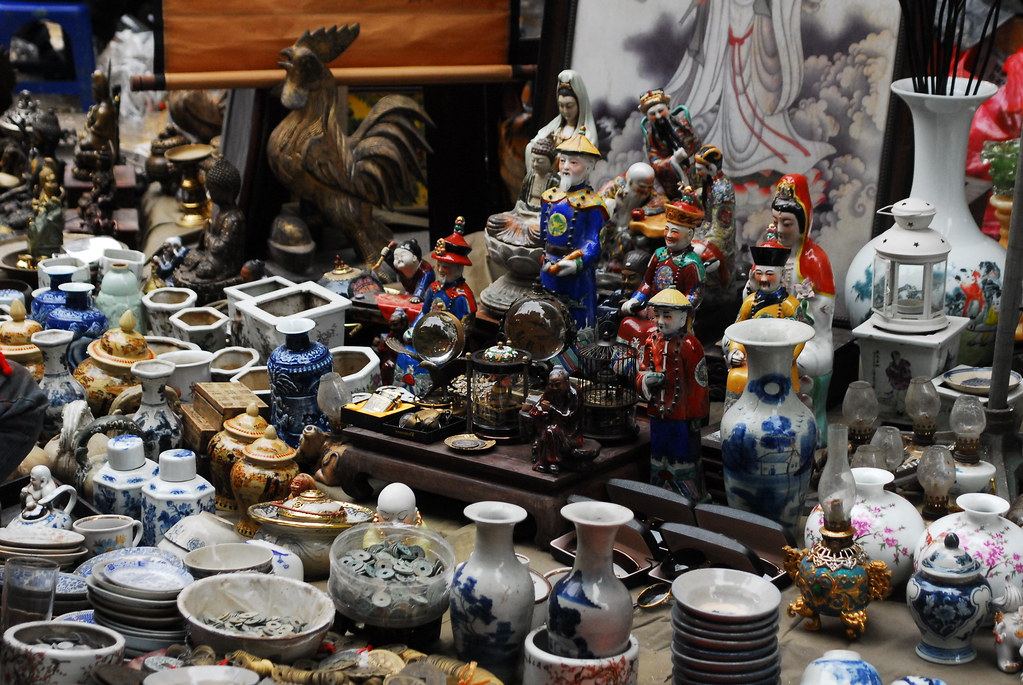
Hanoi's scams are rarely dangerous. They are small tricks to get a bit more money from people who don't know the normal price. Most of them disappear once you know what they look like. Here are the ones you're most likely to see.
The fruit-pole photo
A woman selling fruit offers to let you carry her bamboo pole and baskets, or puts her conical hat on your head, for a photo. Afterwards, she asks you to buy fruit, often at several times the normal price.
Avoid it: smile and say *"không, cảm ơn"* (no, thank you) and keep walking. If you want the photo, agree on a price first.
The shoe shine that starts by itself
Someone points at your shoes, kneels down and starts working, sometimes gluing a sole you didn't know needed gluing. Then comes the bill.
Avoid it: say no firmly and step away before they start.
Cyclo prices that change
You agree on a price for a cyclo ride, and at the end it suddenly becomes "per person" or "per hour."
Avoid it: agree on the total price, the route and the time before you get in. Write it down on your phone and show it. Better yet, book a cyclo tour through your hotel.
Taxis with mystery meters
Fake taxis copy the colours and logos of well-known companies, and some meters run fast.
Avoid it: use Grab, Be or Xanh SM, which show the price before you book. If you take a street taxi, use the big companies, check the name and phone number on the door, and make sure the meter starts at the right amount.
Banknote mix-ups
Vietnamese notes have a lot of zeros, and some look alike. The 20,000 and 500,000 notes are both bluish. In a hurry, people hand over 500,000 instead of 20,000, or are told they did.
Avoid it: keep big and small notes in separate places, count out loud, and hand over money slowly. Learn to read the zeros: 10,000; 50,000; 100,000; 200,000; 500,000.
"Your hotel is full" or "closed"
A driver says your hotel has closed or is overbooked and takes you to another one, where he earns a commission.
Avoid it: book with a confirmation, and call the hotel if someone claims it's closed. Ride-hailing apps take you to the address you entered.
Overpriced souvenirs and water
In the busiest tourist streets, a bottle of water or a souvenir can cost much more than a few streets away. That's not quite a scam, just tourist pricing.
Avoid it: buy water at convenience stores, where prices are printed. For souvenirs, compare a few shops and don't be shy about asking for a better price at markets.
What isn't a scam
- A higher price at a café with a lake view.
- Wet towels at a restaurant that cost a few thousand dong if you open them.
- Service charge and VAT added at upscale restaurants.
These are normal. Knowing the difference helps you stay relaxed.
If something goes wrong
Stay calm and polite. Most disputes are about small amounts, and arguing loudly rarely helps. For anything serious, the police number is 113, and your hotel staff can help translate.
Written in October 2026.
John Le · Hanoi local · writes about everyday costs and life in Vietnam. Spotted an outdated price? Tell us and we will update it.
Keep reading
Vietnam SIM Card or eSIM for Tourists: Which Network, How Much, and Where to Buy
Getting mobile data in Vietnam in 2026: Viettel, Vinaphone or Mobifone, buying a SIM at the airport or in town, eSIM options, typical prices, and the passport registration step.
Renting a Room in Hanoi: What to Check Before You Pay the Deposit
Renting a room or small apartment in Hanoi in 2026: typical prices by district, electricity rules, deposits, rainy-season flooding and the questions that save headaches.
Is Hanoi Safe? Traffic, Theft, Scams and Walking at Night
An honest local view on safety in Hanoi: violent crime is rare, but traffic, phone snatching and small scams are real. What to watch for, at night and as a solo traveller.