Renting a Room in Hanoi: What to Check Before You Pay the Deposit
Renting a room or small apartment in Hanoi in 2026: typical prices by district, electricity rules, deposits, rainy-season flooding and the questions that save headaches.
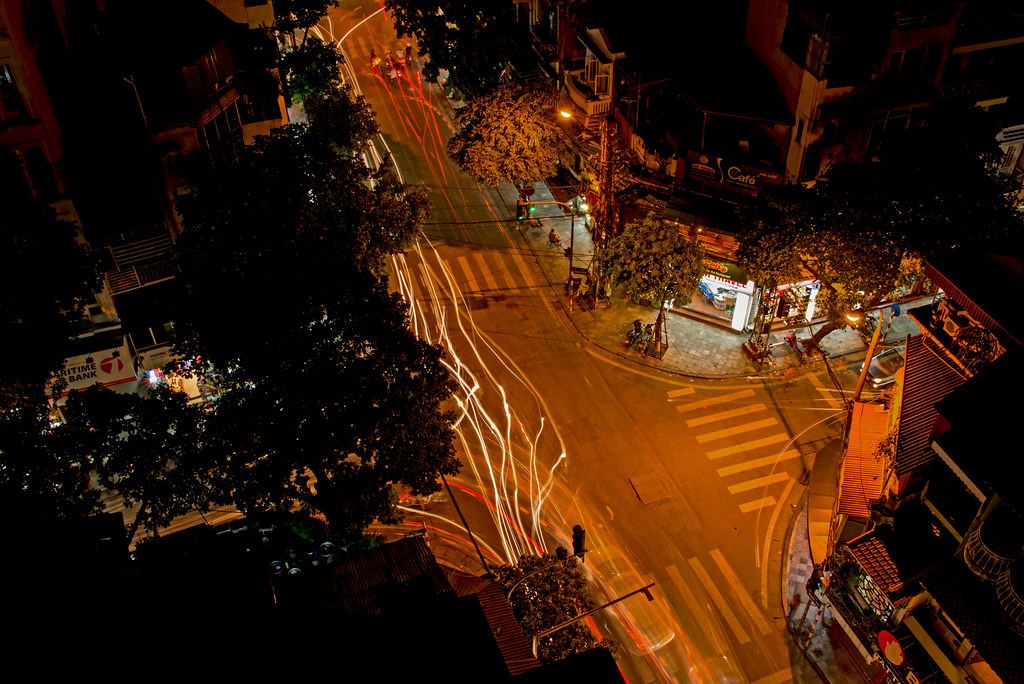
Room hunting in Hanoi usually starts in a Facebook group at midnight, scrolling through posts that all say "phòng đẹp, giá rẻ" (nice room, cheap price) and all show the same wide-angle photo of a bed. Some rooms come through agents or friends, many straight from landlords. Here is what is worth checking before you hand over a deposit, mostly learned from people who skipped a step.
What things cost
In 2026 a basic room with its own bathroom in a local house runs about 2.5–4 million VND a month in districts like Cầu Giấy, Đống Đa or Thanh Xuân. Further out, in Nam Từ Liêm, Hà Đông or Hoàng Mai, the same money buys more space. Small studios in newer buildings with a lift and a kitchenette start around 5–7 million.
Electricity is the classic surprise
Many listings still quote a flat 3,500–4,000 VND per kWh. Vietnamese regulations say landlords should not charge tenants more than the official retail electricity price, but in practice it varies, and in July with the air conditioner on all night the difference is real money. Ask how electricity is calculated, look at a previous bill if you can, and keep your receipts.
The rest of the bill
Water might be a flat fee per person or metered. There can also be separate charges for internet, rubbish collection, the lift or cleaning the stairs. None of it is unusual; it just needs to be clear before you move in.
Deposit and leaving
One month's deposit is common for rooms, two for apartments. The questions people forget: how much notice do you need to give, and what deductions happen at the end? A short written agreement that lists rent, deposit, fees and notice period does not prevent every argument, but it settles most of them.
Go back at night, and after rain
A lane that is calm at ten in the morning can have a karaoke speaker at ten at night. Some low-lying lanes take on water after a heavy storm in the rainy season. If you can, visit once in the evening and once after a downpour.
Small things that turn into big things
- Parking and curfew. Where does the motorbike go, is it included, and when does the gate lock? A house that closes at 11 pm shapes your social life.
- Damp. Hanoi springs are humid. Look behind the wardrobe and at the bathroom ceiling for mould.
- Neighbours. Students, families and office workers keep very different hours. The row of shoes and bikes downstairs says a lot.
- The commute at rush hour. Five kilometres can be fifteen minutes at night and forty at 8 am. Try the route at the time you will actually ride it.
Updated October 2026. Prices and rules vary by district and landlord; check current regulations before signing.
John Le · Hanoi local · writes about everyday costs and life in Vietnam. Spotted an outdated price? Tell us and we will update it.
Keep reading

Vietnam SIM Card or eSIM for Tourists: Which Network, How Much, and Where to Buy
Getting mobile data in Vietnam in 2026: Viettel, Vinaphone or Mobifone, buying a SIM at the airport or in town, eSIM options, typical prices, and the passport registration step.
Is Hanoi Safe? Traffic, Theft, Scams and Walking at Night
An honest local view on safety in Hanoi: violent crime is rare, but traffic, phone snatching and small scams are real. What to watch for, at night and as a solo traveller.

How to Use Grab in Vietnam (and Be, Xanh SM): Bikes, Cars, Paying and Tips
A practical guide to ride-hailing in Vietnam in 2026: setting up Grab, Be and Xanh SM, bike vs car, paying by cash or card, pickup tips, rush-hour prices and food delivery.