Vietnam SIM Card or eSIM for Tourists: Which Network, How Much, and Where to Buy
Getting mobile data in Vietnam in 2026: Viettel, Vinaphone or Mobifone, buying a SIM at the airport or in town, eSIM options, typical prices, and the passport registration step.
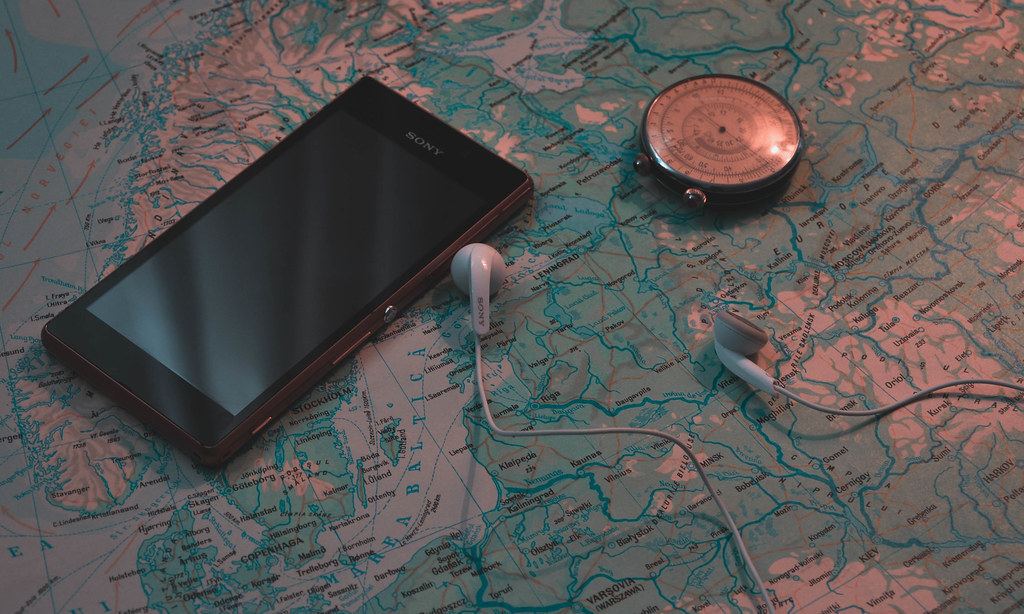
Walk out of arrivals at Nội Bài and the first thing you see, before the taxi queue, is a row of counters in red, blue and orange with boards of SIM packages. Vietnam runs on phones: Grab, maps, Google Translate held up to a menu, hotels that message you on Zalo instead of email. Sorting data out takes ten minutes and costs less than a meal at home.
The three main networks
- Viettel: the biggest network. Independent coverage tests have consistently put it ahead nationally, and the difference shows in the mountains and on islands.
- Vinaphone: good coverage, strong in cities.
- Mobifone: good in cities and popular in the south.
In Hanoi, Ho Chi Minh City and Đà Nẵng, all three work well. The difference shows up in remote areas like Hà Giang or small islands, where Viettel tends to be strongest.
Option 1: buy a SIM at the airport
Both Nội Bài (Hanoi) and Tân Sơn Nhất (Ho Chi Minh City) have network counters in arrivals.
- Tourist packages range widely. Short, small-data packages can be under 150,000 VND; month-long packages with lots of data often sit around 200,000–400,000 VND. The boards list them; point at one.
- Staff will insert and activate the SIM for you.
- You need your passport. SIM cards in Vietnam must be registered to the holder's identity, and the counter handles this.
You pay a little more than in town for the convenience of a working phone before you walk out to find your ride.
Option 2: buy in the city
Official stores of each network are all over the cities. Prices are a little lower, and staff will still register the SIM with your passport. Avoid buying random SIM cards from street sellers; registration rules are strict, and an unregistered SIM can be cut off.
Option 3: eSIM
If your phone supports eSIM, you have two routes:
- International eSIM apps: buy and install before you fly, and the phone connects as the plane taxis in. You usually pay more per gigabyte than for a local SIM, and many plans are data only, with no Vietnamese number.
- Local eSIM from the networks: available at official stores. You get a local number, which helps with Grab, deliveries and Vietnamese apps that send verification codes by SMS.
Do you need a local phone number?
Grab works with a foreign number, so you can get by without one. A local number still saves hassle: drivers phone when they can't find you in an alley, delivery apps and some Vietnamese services send codes by SMS, and Zalo, the messaging app most hotels and small businesses use, is easier to set up with one.
Before you buy
- Make sure your phone is unlocked, or a local SIM won't work.
- Keep your home SIM safe in a small bag or the tray tool taped inside your phone case.
- Write down your new number in your notes; you will be asked for it more than once.
How much data do you need?
Maps, messaging and ride-hailing barely use anything. Video calls home, Instagram stories and navigating all day add up fast, though, so if you're on your phone a lot, choose a package with at least a few gigabytes a day. Almost every café has Wi-Fi; the password is usually written on the wall or the receipt.
Written in October 2026. Package prices and registration rules change often.
John Le · Hanoi local · writes about everyday costs and life in Vietnam. Spotted an outdated price? Tell us and we will update it.
Keep reading
Renting a Room in Hanoi: What to Check Before You Pay the Deposit
Renting a room or small apartment in Hanoi in 2026: typical prices by district, electricity rules, deposits, rainy-season flooding and the questions that save headaches.
Is Hanoi Safe? Traffic, Theft, Scams and Walking at Night
An honest local view on safety in Hanoi: violent crime is rare, but traffic, phone snatching and small scams are real. What to watch for, at night and as a solo traveller.

How to Use Grab in Vietnam (and Be, Xanh SM): Bikes, Cars, Paying and Tips
A practical guide to ride-hailing in Vietnam in 2026: setting up Grab, Be and Xanh SM, bike vs car, paying by cash or card, pickup tips, rush-hour prices and food delivery.