Ha Giang Loop 2026: Licence Rules, Border Permit, Best Season and How to Stay Safe
The Ha Giang Loop in 2026: what licence you legally need to ride it yourself, the border-area permit, the province merger that changed the map, the best months for weather and buckwheat flowers, and why most first-timers book an easy rider.

The Ha Giang Loop is the ride people come back from talking about: about 350 km of switchbacks through the karst plateau on the Chinese border, usually over three or four days. It is also the place where a lot of visitors ride a motorbike properly for the first time, on mountain roads, next to trucks. Here is what's true about it as of October 2026, and what changed in the last year.
The short answer
- To ride yourself legally you need your home motorbike licence plus a 1968 Vienna Convention International Driving Permit that covers motorcycles. A car licence alone doesn't count.
- Foreigners also need a border-area permit for the districts near China, which tour operators put at roughly 200,000–250,000 VND. Your homestay or rental shop usually arranges it.
- October to early December is the favourite window: dry roads, clear views and the buckwheat flowers. Summer brings rain and landslides; deep winter brings fog and cold.
- If you've never ridden in mountains, book an easy rider. You sit on the back of a local driver's bike and still see everything.
Related reading: Vietnam Pre-Arrival Information (PAI) 2026: Is It Mandatory, Which Airports, and How to Fill It In · Hoi An, Hue and Da Nang in November 2026: Flood Risk, What Happens When It Floods, and How to Re-Route Your Trip
First, the map changed
Since 1 July 2025, the old Hà Giang province has been part of a merged Tuyên Quang province, under the National Assembly's resolution on provincial reorganisation. The district level was abolished at the same time, so places like Đồng Văn and Mèo Vạc are now communes rather than districts. Locals, buses and every tour company still call the area "Ha Giang", and Ha Giang city remains the starting point, but some official signs and new maps show Tuyên Quang. Don't let that confuse your booking.
The licence question, without the hostel myths
This is where most of the online advice is out of date. Vietnam's Road Traffic Order and Safety Law of 2024 says a foreign driver needs an International Driving Permit issued under the 1968 Vienna Convention, together with the original national licence it was issued from. The older 1949 permit that some countries issue is not on that list.
In practice, picture this: a rental shop in Ha Giang city hands you a semi-automatic bike after a five-minute lesson and never asks for a licence. That doesn't make you legal. Police checks around Đồng Văn and Mèo Vạc are reported as common but inconsistent; penalties can mean a fine and having the bike held. The bigger problem is insurance: most travel policies refuse claims for riding without the right licence, and a crash on a mountain pass is exactly when you need it.
If you live in Vietnam on a long-stay visa or residence card, a separate route exists to convert a foreign licence. That doesn't help a two-week visitor.
The border permit
The loop runs close to China, and foreigners need a permit for the border communes. This rule has existed for years; what changed in 2026, according to operators, is stricter checking at homestays and checkpoints. Expect to show your passport at check-in and to have the permit when you head north from Ha Giang city. Separately, the provincial government has been working on an entry fee for the Đồng Văn Karst Plateau UNESCO Global Geopark. I couldn't find an announced fee as of October 2026, so treat any "geopark ticket" sold in the street with suspicion and ask your homestay.
When to go
- October to early December: the best weather for riding. The Buckwheat Flower Festival in 2026 runs on roughly 400 hectares of flowers blooming from October to the end of December, and the slopes turn pink and white.
- January and February: cold, sometimes near freezing at night on the high passes, often foggy. Beautiful when it clears, miserable when it doesn't.
- March and April: plum and peach blossom, mild days, occasional haze.
- May to September: green rice terraces, but heavy rain, landslides and road closures. If you go, build in a spare day.
Tết 2027 falls on February 6. The week around it is busy with Vietnamese travellers and some homestays close, so plan around it.
Easy rider or self-ride?
For most first-timers the honest answer is an easy rider. Imagine the Mã Pí Lèng pass on your second day: a narrow road cut into the cliff, a sheer drop to the Nho Quế river, a sleeper bus coming the other way. A local driver who has done that road hundreds of times lets you look at the view instead of the white line. Self-riding makes sense if you already ride a manual or semi-automatic bike confidently at home, you hold the right paperwork, and you're happy riding in rain.
Whichever you choose:
- Ride in daylight only and stop by about 5 pm; the light goes fast in the valleys.
- Check brakes and tyres before you leave the shop, and photograph the bike's existing scratches.
- Wear a proper helmet, not the thin one that comes free, plus long sleeves and closed shoes.
- Keep a little cash: ATMs thin out after Ha Giang city.
Getting there
Sleeper buses leave Hanoi in the evening and arrive in Ha Giang city early in the morning, or you can take a day bus. Most loop companies include the bus pickup from the Old Quarter in their packages.
FAQ
Do I need an international driving permit for the Ha Giang Loop?
Yes, if you ride yourself. Vietnamese law requires a 1968 Vienna Convention International Driving Permit that covers motorcycles, carried together with your original home motorbike licence. A car licence alone is not enough.
Do foreigners need a permit for Ha Giang?
Yes. Foreigners need a border-area permit for the communes near China. Tour operators put it at roughly 200,000–250,000 VND, and homestays or rental shops usually arrange it.
What is the best month for the Ha Giang Loop?
October to early December, when roads are dry and the buckwheat flowers bloom. Summer brings rain and landslides; January and February are cold and foggy.
Is Ha Giang still a province?
Not since 1 July 2025. The former Hà Giang province is now part of Tuyên Quang province, but everyone still calls the area Ha Giang and Ha Giang city is still the starting point.
Last checked: 21 October 2026. Licence and permit enforcement changes; ask your homestay or rental shop before you set off.
Sources
- Thư viện Pháp luật: provinces merged under Resolution 202/2025/QH15 (Vietnamese)
- Tuyên Quang provincial notice on the Đồng Văn geopark fee plan, April 2026 (Vietnamese, PDF)
- Loop Trails: IDP and the 2024 Road Traffic Law, Article 57
- Ha Giang Loop border permit 2026 (operator guide)
- VnEconomy: first tourism season after the provincial mergers (Vietnamese)
Read next
John Le · Hanoi local · writes about everyday costs and life in Vietnam. Spotted an outdated price? Tell us and we will update it.
Keep reading
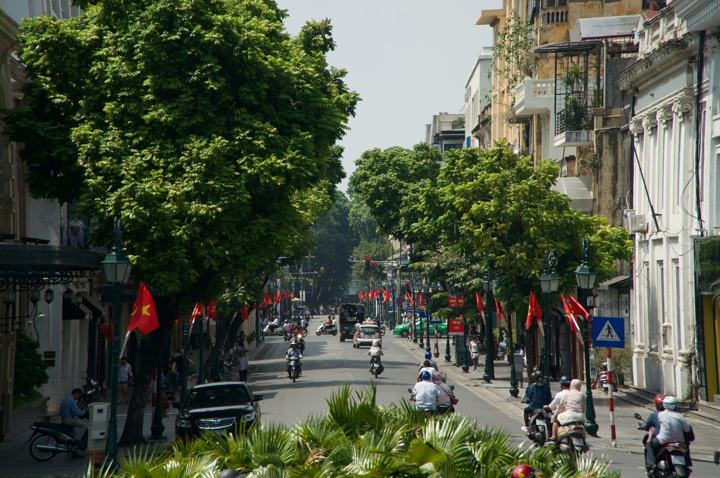
Vietnam Pre-Arrival Information (PAI) 2026: Is It Mandatory, Which Airports, and How to Fill It In
Vietnam's PAI arrival form in 2026: what official sources say about mandatory vs optional, the five airports, the 3-day window, the fields and common errors.
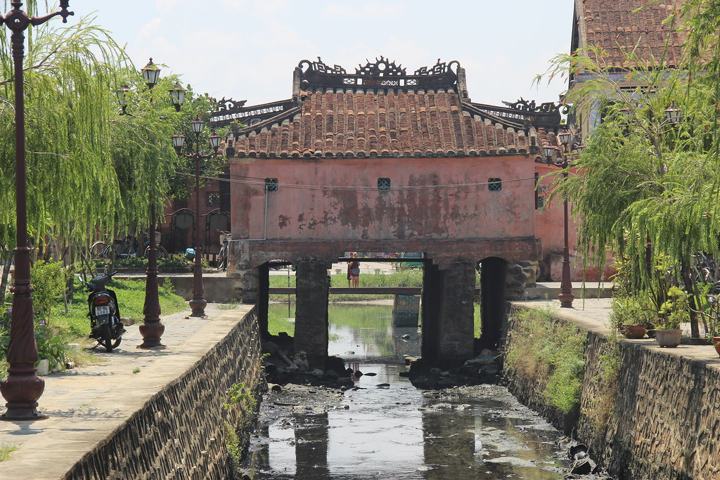
Hoi An, Hue and Da Nang in November 2026: Flood Risk, What Happens When It Floods, and How to Re-Route Your Trip
Hoi An, Hue or Da Nang in November 2026? How the flood season works, this year's official outlook, what a flood day looks like and how to re-route your trip.
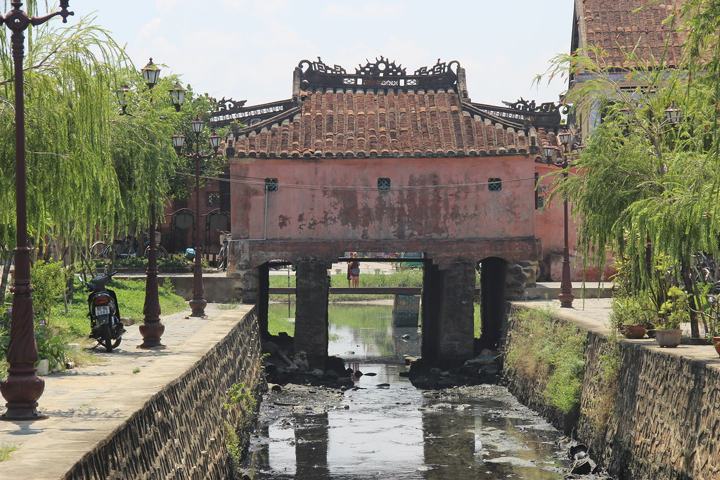
Hanoi to Hoi An (2026): Fly, Take the Train, or Go via Huế?
How to get from Hanoi to Hoi An in 2026: there's no airport in Hoi An, so it's a flight or train to Đà Nẵng and a short ride on. Times, rough costs, the Huế detour, the ancient town ticket and when the floods come.