Sapa in November and December: Cold, Clouds and What to Pack
Visiting Sapa in November or December: real temperatures, frost on Fansipan, what the rice terraces look like, how to get there from Hanoi, and how to stay warm in a homestay.
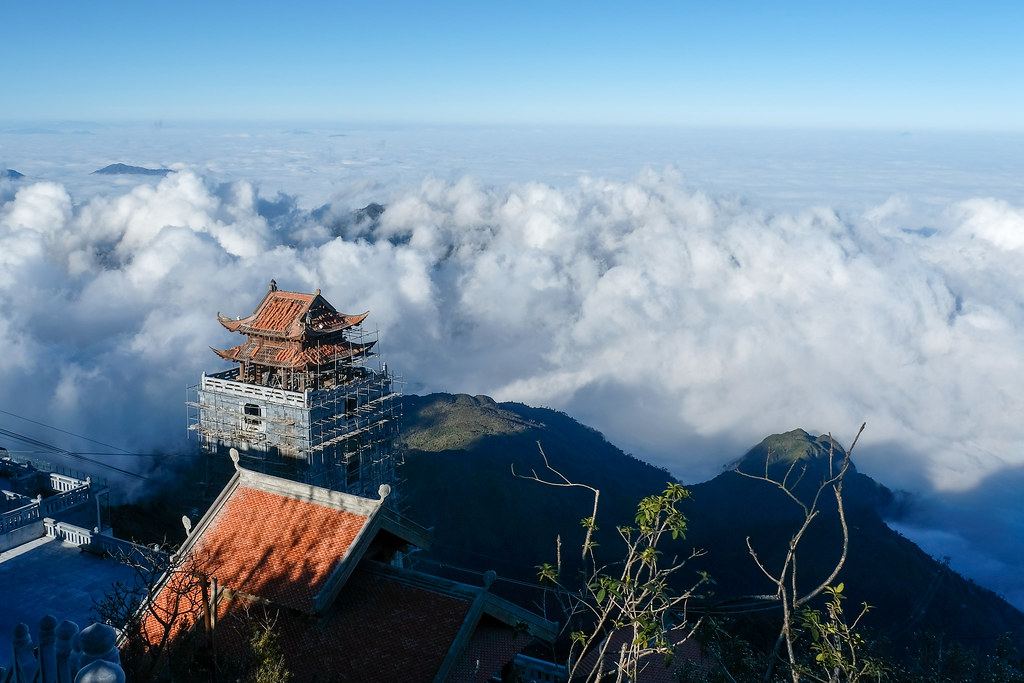
Most photos of Sapa show golden rice terraces. Those are taken in September. If you go in November or December, you will find a different place: the fields are harvested and brown, the air is sharp and cold, and on a good day you stand above a sea of clouds. On a bad day you stand inside one.
How cold Sapa gets
Sapa town sits at about 1,500 metres. In November, days are around 10–18°C and nights drop to single digits. In December it gets colder: 5–12°C by day, and close to 0°C at night during a cold snap. The summit of Fansipan, at 3,143 metres, is much colder than the town, and in some years frost and ice cover the top in December.
Snow in Sapa town is rare. It has happened in a few winters and made national news each time, so don't plan your trip around it.
What you will actually see
- Terraces: harvested, with the shape of the fields clearer than in summer. Some people love the bare, graphic look; others are disappointed after the September photos.
- Clouds: the big reason to go in winter. Early mornings often bring a cloud sea below the ridges, especially from Fansipan or the higher villages.
- Fog: the flip side. Sapa can sit in thick fog for two or three days straight. Leave some slack in your plans.
Getting there from Hanoi
- Limousine bus or sleeper bus: about 5–6 hours on the expressway. Comfortable enough, cheap, and drops you in town.
- Overnight train to Lào Cai: about 8 hours, then roughly an hour by road up to Sapa. Slower but a classic trip, and you arrive with a night's sleep.
Book ahead for weekends; Vietnamese families also go up to see the cold.
Staying warm (this matters more than people think)
Many homestays and cheap hotels are built for the summer crowds. Walls are thin and heating is limited. Before you book, ask:
- Is there an electric blanket or a heater in the room?
- Is the hot water reliable at night?
Hotels in town are usually warmer than village homestays. If you choose a homestay for the experience, bring a warm layer to sleep in.
What to pack
- A real warm jacket (down or thick fleece), hat and gloves.
- Waterproof shoes with grip. Trails get muddy and slippery.
- A rain shell, because fog is wet.
- Thermal layers if you plan to go up Fansipan.
If you forget something, shops in Sapa town sell jackets, gloves and hats, but expect tourist prices.
Fansipan in winter
A cable car takes you most of the way to the top, followed by a funicular and a few hundred steps. In winter the summit can be below freezing with strong wind, so dress for it. Tickets are not cheap; check the current price before you go, and pick a clear morning if you can, because the view is the whole point.
Is it worth going in November or December?
If you want cool air, clouds and quieter trails, yes. If you want green or golden terraces, come in late summer or September instead. Either way, give yourself two nights so one foggy day doesn't ruin the trip.
Written in October 2026. Mountain weather changes fast; check the local forecast the day before you travel.
John Le · Hanoi local · writes about everyday costs and life in Vietnam. Spotted an outdated price? Tell us and we will update it.
Keep reading
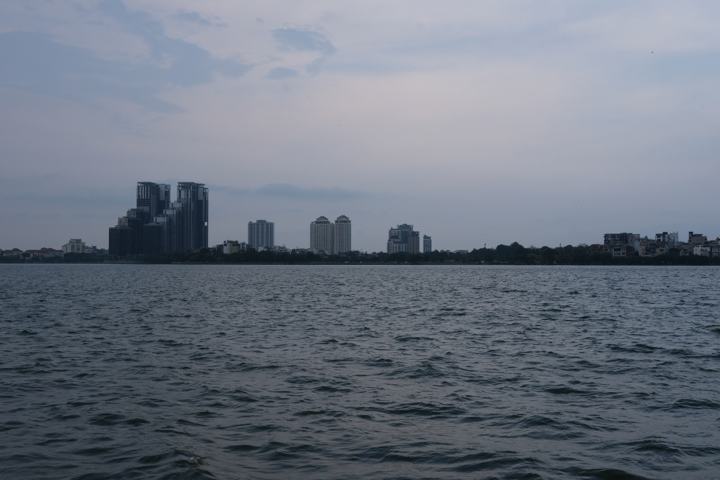
West Lake (Hồ Tây) Hanoi: Trấn Quốc Pagoda, Sunsets, Cycling and Where to Eat
A guide to West Lake, Hanoi's biggest lake: Trấn Quốc Pagoda, Quán Thánh and Phủ Tây Hồ, the best sunset spots, cycling the loop, shrimp cakes, and the cafés of Quảng An.
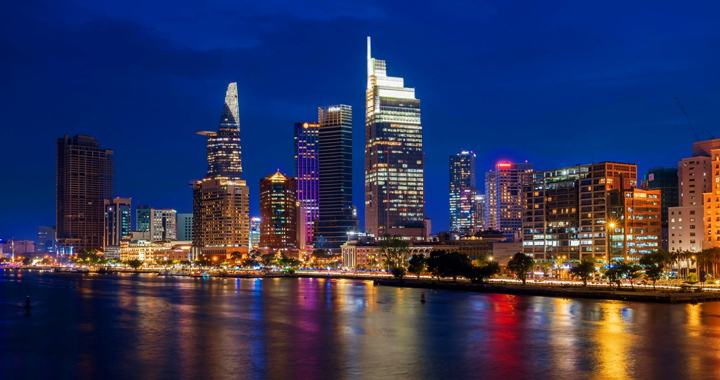
Vietnam Weather in Winter: North vs Central vs South (December to February)
Vietnam is three climates in one country. What winter (December–February) is really like in Hanoi, Sapa, Huế, Đà Nẵng, Ho Chi Minh City and Phú Quốc, and how to plan around it.

Tết 2027: Dates for Vietnamese New Year and What Visitors Should Know
Tết 2027 falls on Saturday, February 6 (Year of the Goat), with an official 7-day holiday from February 4 to 10. What closes, how prices and transport change, and how to enjoy it as a visitor.