Learning to Leave Work at the Door
A November evening before our daughter was born, a bag that stayed zipped, and the small changes my wife noticed before I did.
 John Le · Nov 17, 2024 · 9 min read
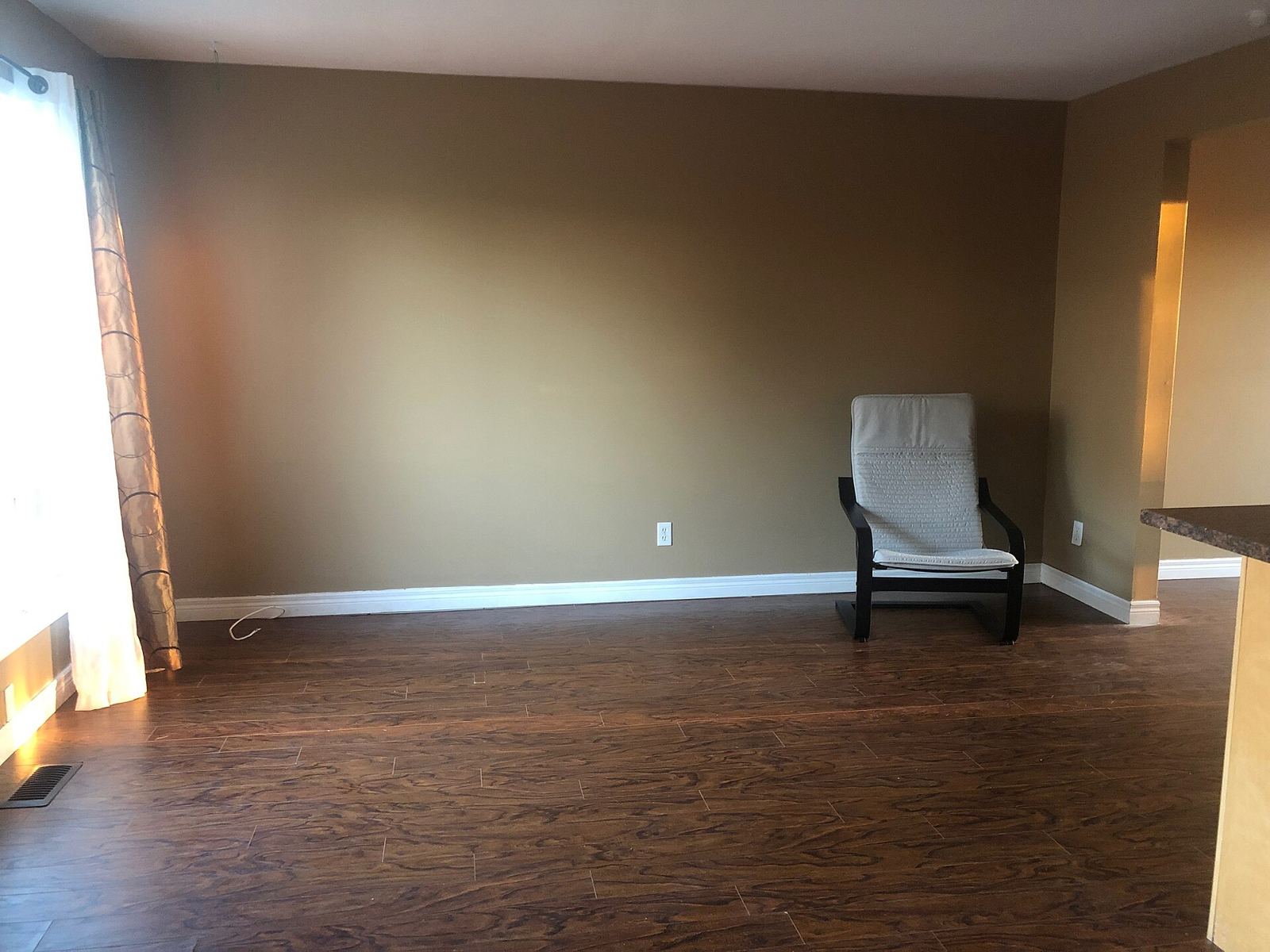
There is a chair just inside our front door that I have been treating as an extension of my desk. The bag goes on it when I come home. Ten minutes later the laptop comes out of the bag. By dinner the charger is trailing across the floor, and I am telling my wife that I have nearly finished.
This month we need the chair for other things. Our daughter is due in December. There are little clothes to fold, a bag that needs checking, and a collection of objects whose purpose I am still learning. My wife moved my computer bag off the chair one evening and put it beside my shoes. I followed it with my eyes as though she were taking away a meal.
"Are you home?" she asked.
I said of course I was. She looked at the screen, then at me. I closed it, but badly. My hands stopped working while the rest of me stayed at the office for another half hour.
The sentence that followed me home
My work involves models, images and numbers that rarely announce when they are finished. There is almost always another comparison worth making. When I was studying in Moscow, I could spend a whole evening following one unexpected result and call it a productive night. Sharing a flat with my wife has made the cost of that habit easier to see.
At the office I might say, "I'll check it later," and imagine that later is an empty part of the day. At home later turns out to be the time someone has spent buying food, cooking it and waiting for me to stop looking at the same four lines of text. I have been remarkably slow to notice that later already belongs to something.
One evening this week I was thinking about an image-loading problem while my wife described an appointment. I nodded at the right places. A few minutes afterwards I asked a question she had already answered. She repeated the answer without raising her voice, which made it harder to pretend the problem was simply that I hadn't heard.
The failure was ordinary enough to be embarrassing. I was physically sitting beside someone I loved, waiting for a pause in her sentence so that I could return to a problem that would still be there the next morning. If the situation had been described to me by a friend, I would have known what to say. Living it myself seemed to require considerably more evidence.
I began paying attention to the first sentence I spoke after coming through the door. On several evenings it was some version of "Give me a minute." Occasionally I hadn't even put my keys down. My wife had not asked me to do anything yet, but I was already asking her to wait.
I didn't want every evening to start with a little queue. I also didn't want to promise that I would never think about work at home again. That would have lasted until the first difficult Tuesday.

A note before the lift
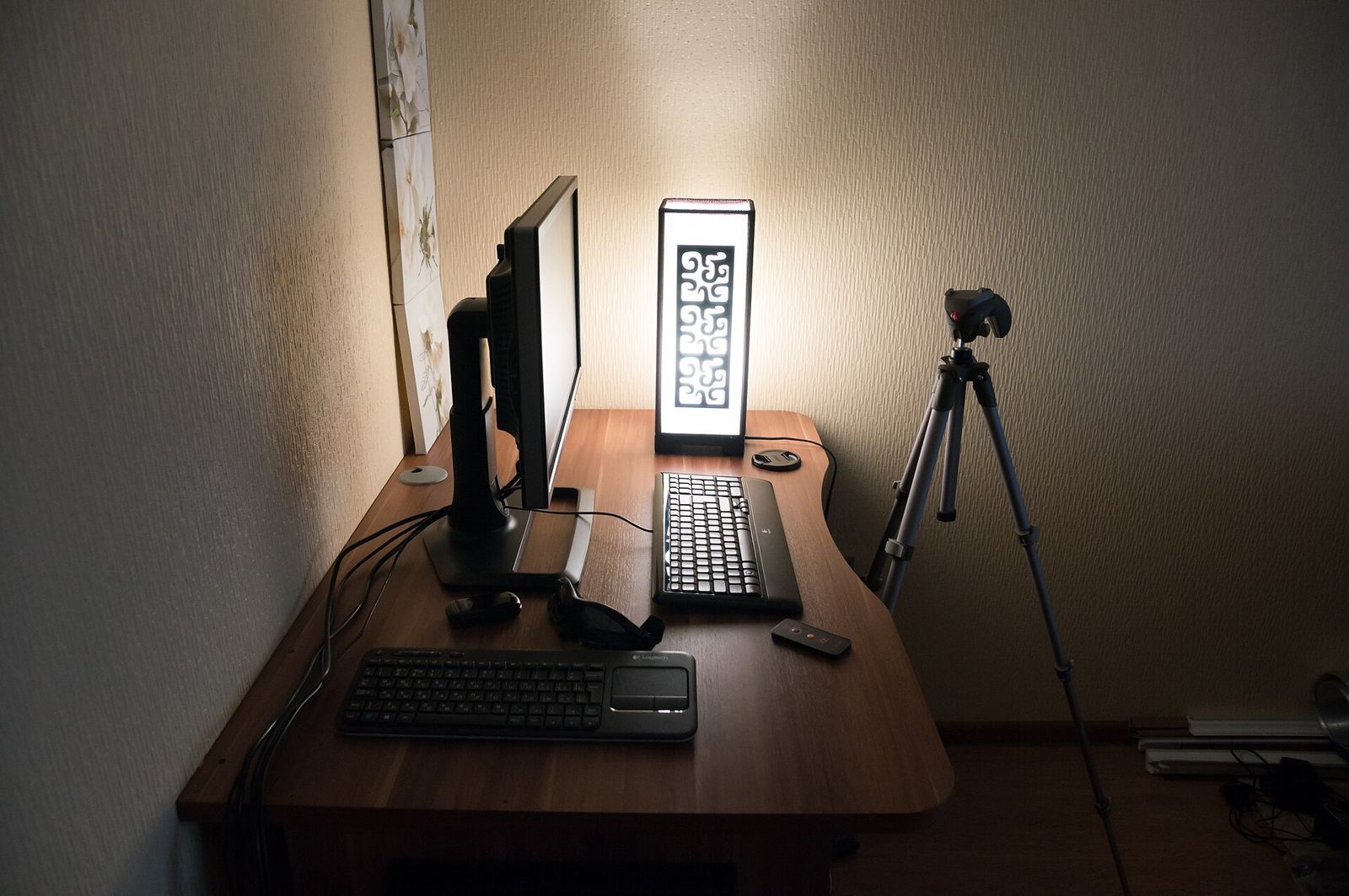
The most useful change so far happens before I leave the office. I write down where the work stands and the next small action. On Monday the note was simply to check which folders contained the unreadable images. On Tuesday it was to compare the two versions of a configuration file. A line is often enough.
I used to stop in the middle of a thought because I wanted to catch the lift. By the time I got home, I was afraid I had lost something important. Opening the laptop seemed like the quickest way to recover it. Once it was open, I could always see another reason to keep it open.
Writing the note gives the unfinished thought somewhere to wait. I don't need it to sound clever. Nobody else is going to read it. Some days it contains a filename, a question mark and a reminder that the result I disliked might actually be correct.
I have tried doing this on my phone, but the phone offers too many neighbouring things to check. A small notebook works better. It stays with the computer, and when I put the computer away the notebook goes with it. I can be untidy in a place that closes.
The first time I left a difficult problem after writing a note, I kept feeling for the bag on the ride home, though it was securely behind me. At dinner I thought about the problem twice. I told myself that I knew where I would begin tomorrow. The thought didn't disappear immediately. It became less persuasive.
The following morning I found a mistake within fifteen minutes. I would like to say the note caused a better night's sleep and therefore the solution, but I can't know that. What I know is that the problem survived the evening without my supervision, and dinner had been less distracted.
I still get caught by an idea on the way out. Sometimes I stay ten minutes to finish it. The difference I am trying to make is telling my wife honestly that I will be late, instead of arriving on time and then being unavailable in the room.
Dinner without a second meeting
My wife and I have been eating earlier lately. She gets hungry before I do, and if I am delayed there is no good reason for her to wait. The first evening I told her to start without me, she asked whether I was being considerate or reserving more time for the computer. I had to admit the answer was not entirely straightforward.
Now I try to make the decision before coming home. If I can finish in time for dinner, I finish in time for dinner. If something genuinely needs attention later, I say what it is and roughly when I expect to stop. That estimate is sometimes wrong. It is still more useful than the word "soon."
There are small jobs that make a better arrival than opening the bag. I can wash the rice. I can clear a space on the table or go down for the thing we forgot to buy. None of these is an impressive achievement, but they make me part of the evening rather than a guest waiting for a plate.
One night I washed the vegetables while my wife sat by the kitchen door and talked. I discovered that I could listen more closely with my hands under the tap than with them resting beside a keyboard. There was nothing available to type. When I had finished washing, the conversation hadn't finished, so I stayed.
We do not have wonderfully thoughtful conversations every night. Sometimes we discuss whether the cupboard can hold another bag of rice. Sometimes we are both tired and the most affectionate thing either of us says is that the other person doesn't have to wash up. I am learning not to dismiss those evenings for failing to be memorable.
"You can tell me tomorrow," my wife said, when I started explaining another problem with the model.
She was smiling. I had not been asked to give a technical presentation over dinner. I had offered one anyway. I put the explanation back in the notebook and asked what she'd wanted to tell me before I started.

A call to Quảng Bình
My parents still live in Đồng Hới. My mother usually asks what we have eaten before she asks anything about work. When I was younger, that order annoyed me. I wanted to describe something I had achieved, and she wanted to know whether I had bought vegetables.
During university I would call from my room in Cầu Giấy and hurry through the ordinary questions. Khoa would be making noodles behind me, and I would lower my voice when my mother asked if I was eating properly. I was often in a hurry to return to something that I can no longer remember.
Now her questions are mostly about my wife and the baby who hasn't arrived yet. She remembers a detail from our last call and asks whether it has changed. I have sometimes forgotten giving her the detail in the first place. She is keeping track from several hundred kilometres away while I struggle to do it from the next room.
Last weekend my father answered the phone and took it outside to show me something he had repaired. He pointed the camera at the wrong end of the object. For a while I could see only his sleeve. We both became irritated, then laughed, and he carried the phone back indoors to my mother.
Nothing useful was accomplished on that call. I did not solve a problem for them or provide an update that justified the time. We talked until my wife came over to say hello. My mother asked us to put the phone somewhere she could see both of us, and we spent another ten minutes arranging it against a bowl.
Afterwards I sat without reaching for the computer. The flat seemed less separate from home than it had an hour earlier. I couldn't put that in a weekly report, but I could feel the difference while I cleared the table.
I want our daughter to know those voices as ordinary voices in her life. For that to happen, I will need to make calls when there is no special news and stay on them when nobody has an especially interesting story.


The bag stays zipped
I don't think of this as having found a satisfactory balance. The evenings are too different for that. There will be urgent work, and there will be days when I waste time at the office and then try to recover it at home. Giving the habit a reassuring name would be another way to stop noticing it.
For now I am watching a few plain things. Did I put the phone down when my wife began speaking? Did I tell her an honest time? Did I leave myself a note that will let tomorrow begin without borrowing the whole of tonight?
There are evenings when I answer no to all of them. I can usually identify the moment I stopped paying attention. A message came in. I told myself I would only read it. Then I began composing an answer and carried the conversation into the kitchen. The bag didn't need to be open for me to bring work home.
When that happens I try to finish the immediate action, explain that I got distracted and return. A long apology about being distracted can become another demand on the person who was waiting. Washing the bowl or listening to the end of the story is often more useful.
Tonight the bag is still beside my shoes. My wife has spread a small pile of baby clothes across the chair. I am not entirely sure how something so small can require so much folding. She shows me the difference between two pieces I thought were the same, then gives me the easier pile.
I have written tomorrow's first task in the notebook. The notebook is inside the bag. If I remember something else, I can add it in the morning.
For the next half hour I am trying to fold a sleeve that keeps turning inside out. My wife takes the finished piece, looks at it, unfolds it and hands it back without saying a word. I have another go.
— John
Written on Nov 17, 2024 · Hanoi
John Le · I work with AI and data in Hanoi and write here for friends.
Keep reading
A Saturday with Nothing to Show
I planned to catch up on Saturday. Our daughter planned to inspect a drain cover, and the morning went rather more slowly than I expected.
Happiness Is a Small Room
Almost thirty, I keep finding that the happiest parts of my life are small and repeatable, like tea with my father on Sunday and a plate of fruit after dinner. Some notes on chasing numbers, learning what "enough" feels like, and an evening by West Lake.
Calling Home Without Good News
I used to save phone calls for something worth reporting. These days a conversation with my parents in Quảng Bình can begin with a missing sandal.