A Moscow Sunday Without a Timetable
Remembering a student walk through side streets and a park, with bread in my bag and homework waiting at the other end.
 John Le · Jan 18, 2026 · 10 min read
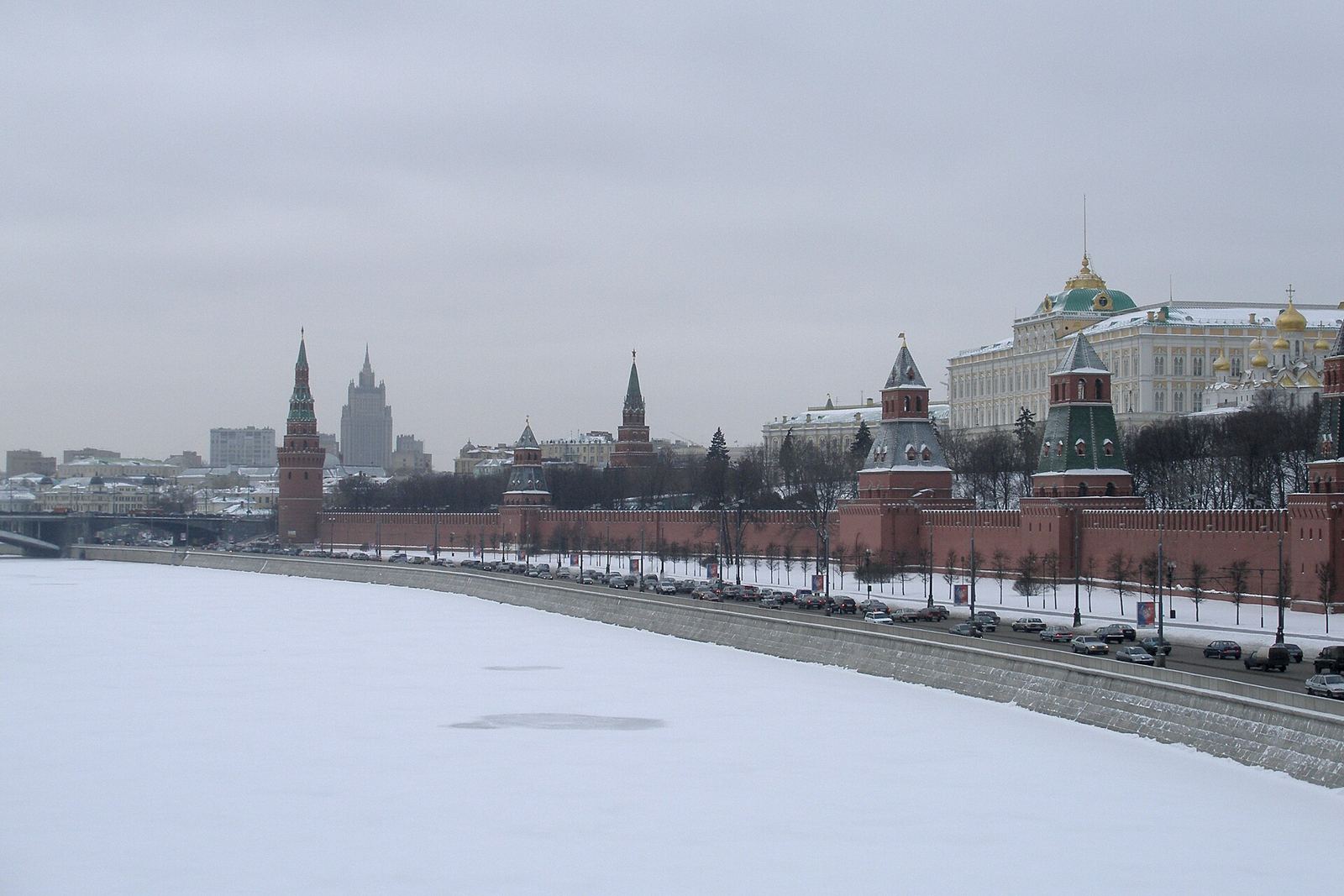
My daughter has begun treating a walk as an opportunity to stop beside every object adults have agreed to ignore. A leaf deserves inspection. A low step requires a decision. Yesterday, a crack in the pavement occupied enough of her attention that my wife and I had time to finish a conversation beside it.
She is thirteen months old. I carried her for part of the way home, with one small shoe pressing against my coat. The pace reminded me of a Sunday in Moscow during my master's years, when I went out with no appointment and still spent the first hour behaving as if I were late.
I lived in Moscow from 2018 to 2021. The day I am thinking of belongs to the autumn part of that period, before the city had become only a collection of places I knew how to reach efficiently. I had work waiting, but it wasn't work I could do well by staring at it for another afternoon.
I put a notebook and something to eat in my bag. I told a friend I was going for a walk. He asked where. I gave an answer vague enough that he asked again. The second answer was almost as vague, but he came with me anyway.
Getting out of the station
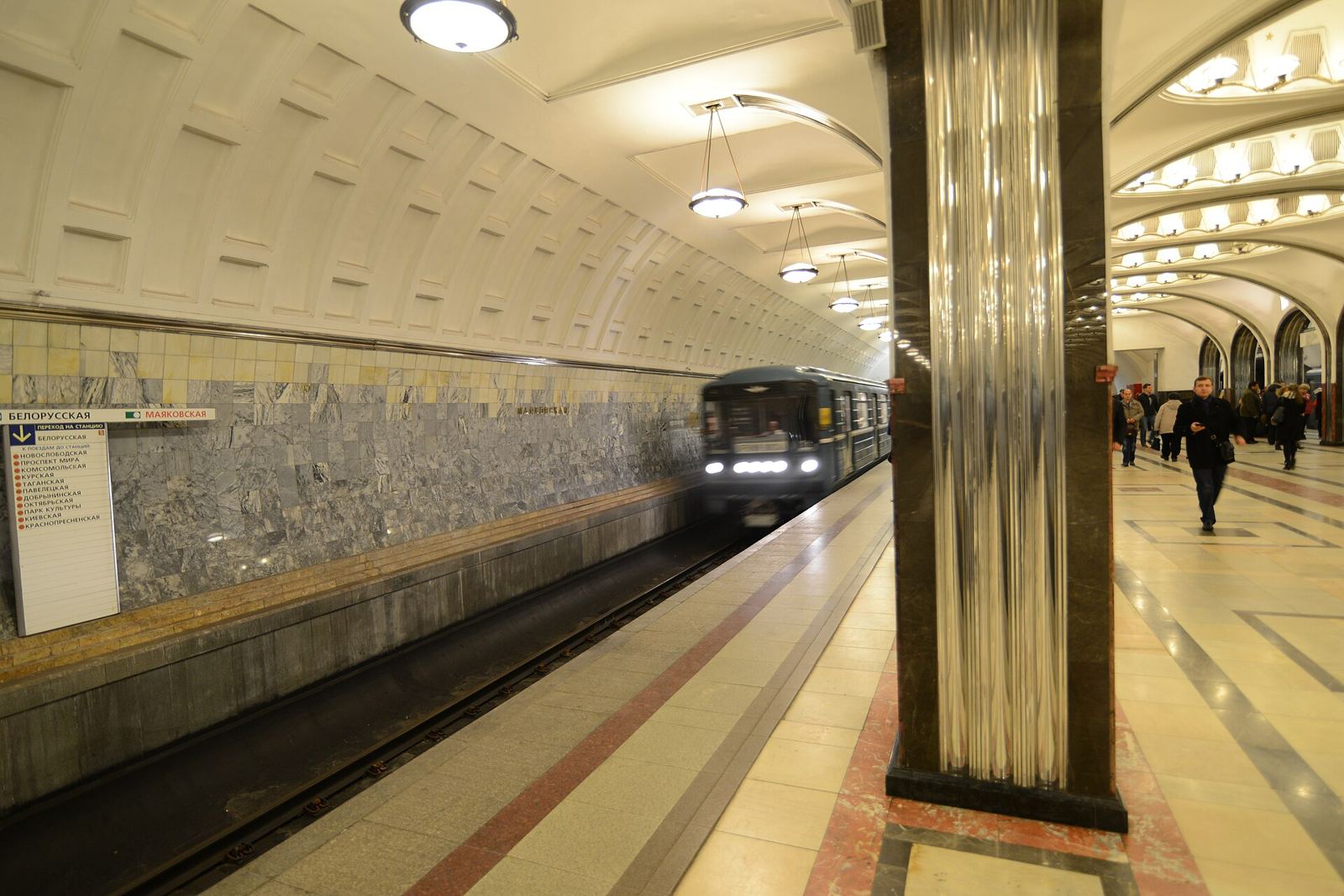
The first part of the day still involved the metro. Moscow is large, and my idea of walking without a plan did not extend to crossing the whole city from wherever I happened to be staying.
Inside the station, I moved with the automatic purpose I had learned from the people around me. I knew where to stand and which direction to follow. Outside, I slowed down because the useful signs no longer answered the question of where we actually wanted to go.
We headed through streets south of the river, in the broader Zamoskvorechye area. I liked the changes in scale: a larger road, then a quieter stretch, then a view that opened unexpectedly between buildings. I didn't have enough local knowledge to make a grand statement about the district. I had enough to know I wanted to spend a little time there.
My friend checked a map. I pretended that this undermined our spontaneous walk, then leaned over to see it. We chose a direction that would bring us towards water without requiring us to commit to a complicated route.
A small shop was open. I bought water and a little more food, despite already carrying bread. There is a difference between knowing that I have packed lunch and seeing something warm when I am beginning to feel hungry. I understood the difference perfectly while failing to act on it.
Outside, we stood aside to eat. Someone came out carrying a bag much larger than the purchase appeared to require. A child was negotiating with an adult about which direction to take. The street contained enough ordinary activity that I stopped expecting it to provide a memorable event.
That was when I began to enjoy the walk properly. I could look at a window or a doorway without asking whether it justified the trip.

A bench with no special view
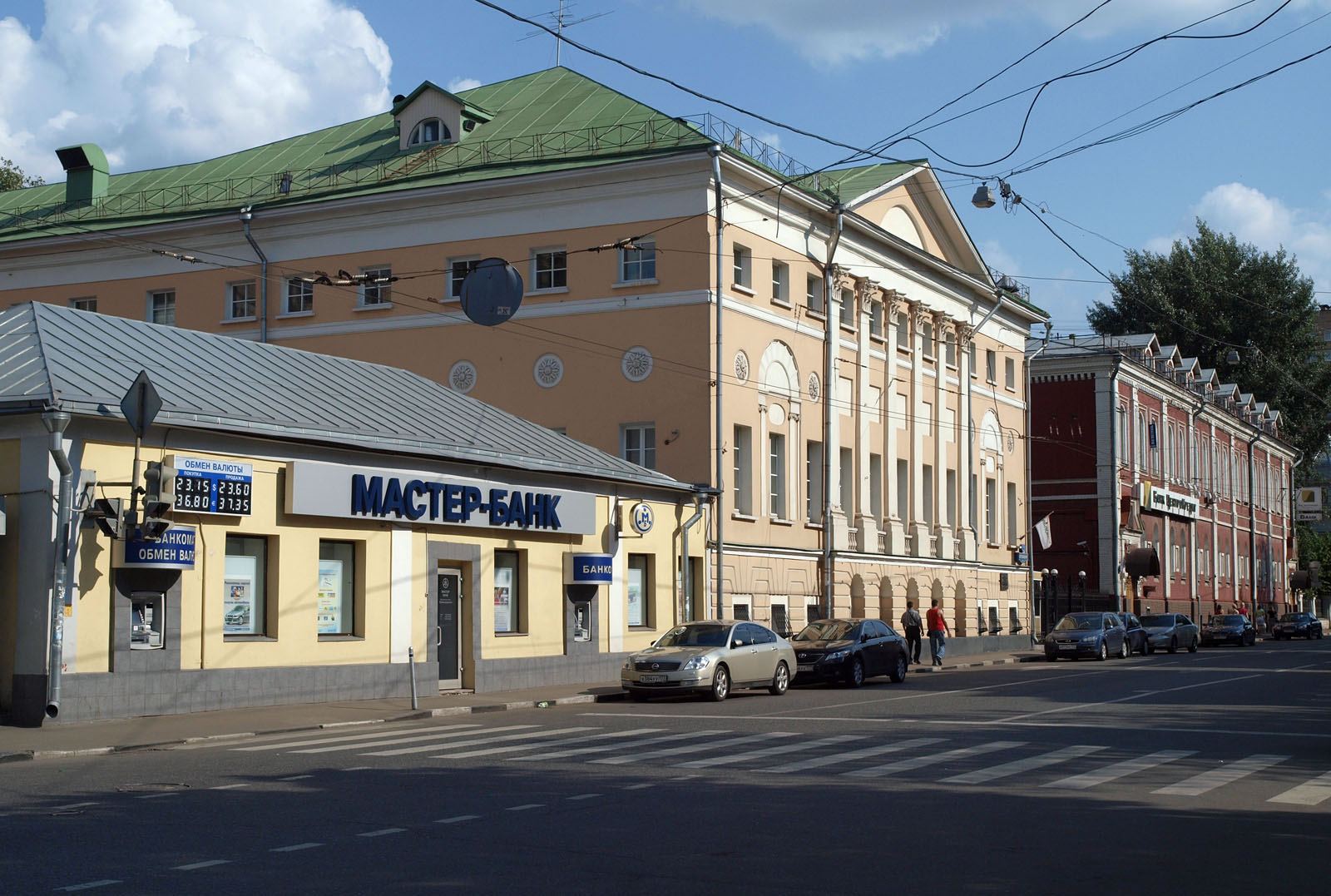
We found a bench that wasn't placed before anything famous. It faced part of the street and a tree whose leaves had begun to change. I sat down to adjust a sock that had folded inside my shoe.
The sock took about a minute. We remained for much longer. My friend took out his phone, looked at it briefly and put it away. I opened the notebook and discovered that the pen I had brought was almost dry.
I tried to write a sentence about the morning. Halfway through, the ink weakened. I pressed harder, producing an indented line that would probably outlast the words. My friend offered his pen. I used it to finish a sentence that wasn't particularly worth preserving.
We talked about coursework. There was a problem I had been thinking about too narrowly, and explaining it aloud made the missing assumption easier to notice. I wrote that down too. The walk wasn't intended as a productivity technique, but apparently the unfinished work had come along in a quieter form.
I was careful not to reopen the whole task on my phone. There would be time to work when we returned. For now I wanted to keep the useful thought without converting the bench into an office.
Leave enough of the afternoon to get home slowly.
My friend said this when I began suggesting another stop. It was a sensible response to my tendency to fill a free day as soon as it started feeling comfortable. We agreed to choose one larger place to walk and leave the rest undecided.
The bench had no significance beyond being available when we wanted to sit. Years later, I can still remember the folded sock and the weak pen. I remember several more celebrated views less clearly.
A stretch beside the water
Near the river, the space opened. The water was a changing grey, and the air felt cooler than it had between buildings. I pulled my jacket closed and discovered that I had put the food receipt in the pocket with my gloves.
I liked walking beside a surface that didn't demand interpretation. At work and in study, I spent much of my day deciding what an image meant. Here, a reflection could move without becoming evidence of anything I needed to solve.
There were still things to notice. The edge of a wake reached the bank. A bird changed direction suddenly. On the other side, a line of buildings looked flatter under the cloud than it had in the photograph I had seen before arriving.
I took a picture and checked whether it resembled what I wanted to remember. It captured the broad arrangement and missed the temperature. I could have written cold beside it, but that wouldn't have restored the feeling of pulling my hands into my sleeves.
My friend walked ahead for a while. We didn't need to stay in conversation continuously to count the day as shared. I could stop, look and catch up without either of us announcing a change in the plan.
A cyclist passed where there was room, and I moved farther to the side. I was learning to be a visitor in small practical ways: look before stepping backwards for a photograph, avoid blocking a route, notice when a place belongs to someone's ordinary day.
By the time we decided to move on, I had stopped checking how much ground we had covered. The map would have answered that question. It wouldn't have told me much about why the walk had become easier.

Kolomenskoye and the longer path
We used transport again before walking in Kolomenskoye. I don't want to improve the memory by pretending the whole day was one continuous heroic march. My feet would object to that version, and the city would remain inconveniently large.
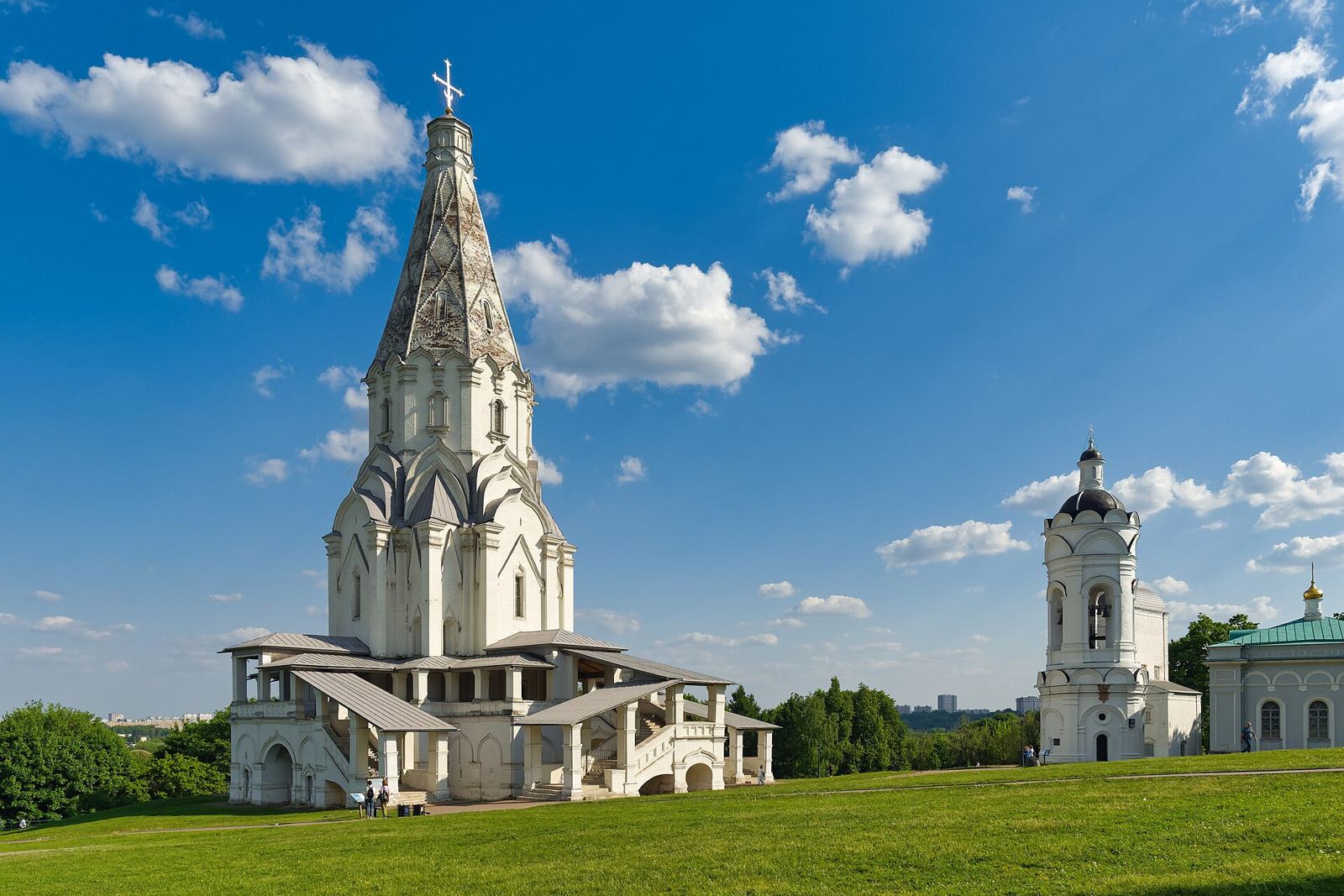
The park gave us paths, open views and enough room that choosing a direction didn't feel like solving a traffic problem. I had read about the Church of the Ascension before visiting. The UNESCO description records its early sixteenth-century date and distinctive tent-roofed form. In front of it, I was interested first in how the shape met the sky.
I walked around at a respectful distance, looking from different angles. A building changes when you stop treating the first view as the one correct picture. The same outline could appear compact or elongated depending on where I stood.
Then we walked farther into the grounds. I remember trees and a slope more clearly than the order of the paths. A patch of leaves had gathered where the wind and the edge of the path made a useful trap. Someone had stepped through it, leaving a temporary trail.
We ate the bread from my bag. It had been pressed slightly out of shape by the notebook. I divided it unevenly and offered my friend the larger piece because I had already eaten part of the extra purchase earlier. He accepted this accounting without asking to inspect the evidence.
There were families nearby, though I wasn't watching them with the attention I would bring now. At the time, a small child refusing to move was an ordinary interruption in someone else's day. I had no idea how familiar that pause would eventually become.
We took a longer path back than we intended. It wasn't a serious mistake. We checked the map, adjusted the direction and kept going. I was tired enough to be pleased when we reached a place to sit again, but not tired enough to regret the detour.

Talking to home from a different afternoon
Later I called my parents in Đồng Hới. We had to find a time that made sense across the distance, and sometimes I planned that more carefully than the rest of the day. This call fitted into a quiet moment after we had stopped walking.
My mother asked whether the weather was becoming cold. I said yes, though I knew that the cold I had experienced that afternoon was only a modest introduction to what could come later. My father asked whether I had eaten something substantial.
I told them about the bread, then added details from the rest of the day because bread alone didn't sound like a reassuring report. My mother wanted to know whether I was wearing the jacket she remembered. I looked down at it before answering, as if the garment might have changed while we spoke.
I asked what they had done that day. Their answer included an errand and something about the house. I tried to picture the road near our gate. The image arrived easily and then became uncertain around the details that might have changed since I last saw it.
Distance made me attentive to information that wouldn't have seemed worth asking about when I lived at home. What had they cooked? Had the rain stopped? Had someone found the part they were looking for? These were small questions, but they gave the voices somewhere to live in my mind.
After the call, I sat quietly for a few minutes. I was glad to be in Moscow and also wanted, briefly and very physically, to be standing in the kitchen in Quảng Bình. The two feelings didn't cancel each other. I could enjoy the walk and still miss the sound of a familiar gate.
My friend asked whether everything was all right. I said yes. We checked the route back, and this time I was happy to take the efficient one.
Homework after dark
Back in the room, I put the notebook on the desk and took off the shoes that had seemed so comfortable at the start of the day. The folded sock had left a mark. I made tea before opening the work I had been avoiding.
The problem was still there. The walk hadn't solved it on my behalf. But I had written down the useful assumption from the bench, and that gave me a clearer place to begin. I worked for a while, stopped at a reasonable point and left a note about the next step.
When I remember studying abroad, I sometimes reach too quickly for the obvious scenes. This Sunday survives through less impressive things: the receipt in my glove pocket, the bread under a notebook and a friend willing to sit without turning the pause into a discussion about what we should do next.
In Hanoi now, my daughter has fallen asleep after our own much shorter outing. Her small shoes are near the door. One contains a piece of leaf that must have travelled home unnoticed.
I remove it before putting the shoes away. My wife asks whether I want tea, and I say yes. I have work for tomorrow, but I don't open it tonight. I tell her about the Moscow bench instead, including the sock, because that is the part of the story I can still remember without looking anything up.
— John
Written on Jan 18, 2026 · Hanoi
John Le · I work with AI and data in Hanoi and write here for friends.
Keep reading
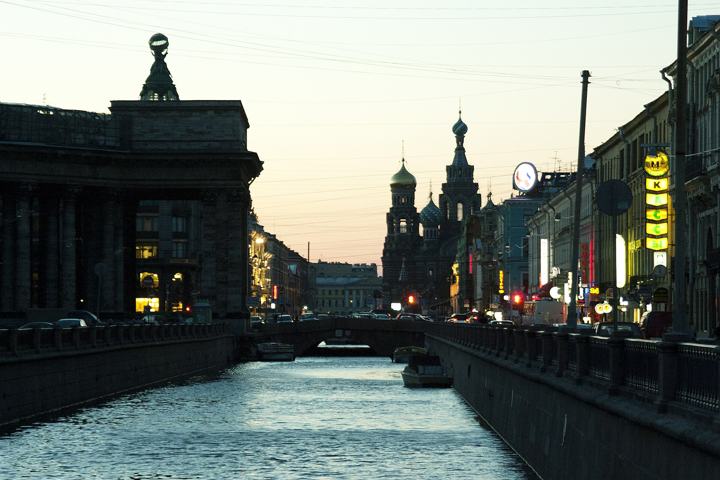
Petersburg in the Back of a Notebook
A few pages from a student visit in 2019: a museum room, a canal, powdered sugar and a day that resisted my map.
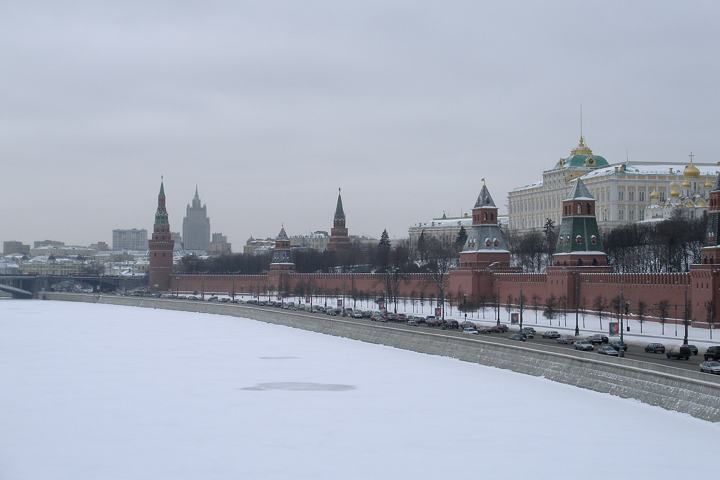
Three Moscow Winters, and the Trains I Took Away from Them
Remembering my student years in Moscow from Hanoi: the first snow, a New Year table, the Volga at Nizhny, and a light night in Petersburg.
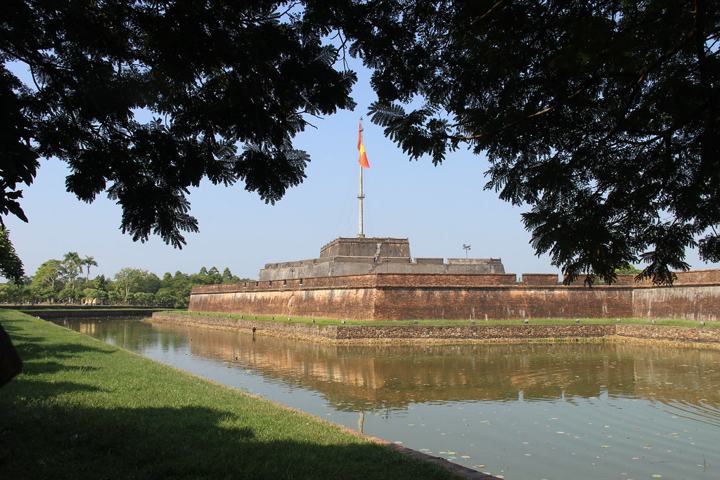
Two Days in Huế, Mostly on Foot
Rain on a notebook, an unhurried bowl of noodles, and a short visit that left room to call home.