Opening a Bank Account in Vietnam as a Foreigner (2026): What Banks Actually Ask For
Can foreigners open a bank account in Vietnam in 2026? Why banks usually want a residence card, the in-person visit, the biometric rule that blocks online payments until your passport and face are verified, and what to do on a tourist visa.
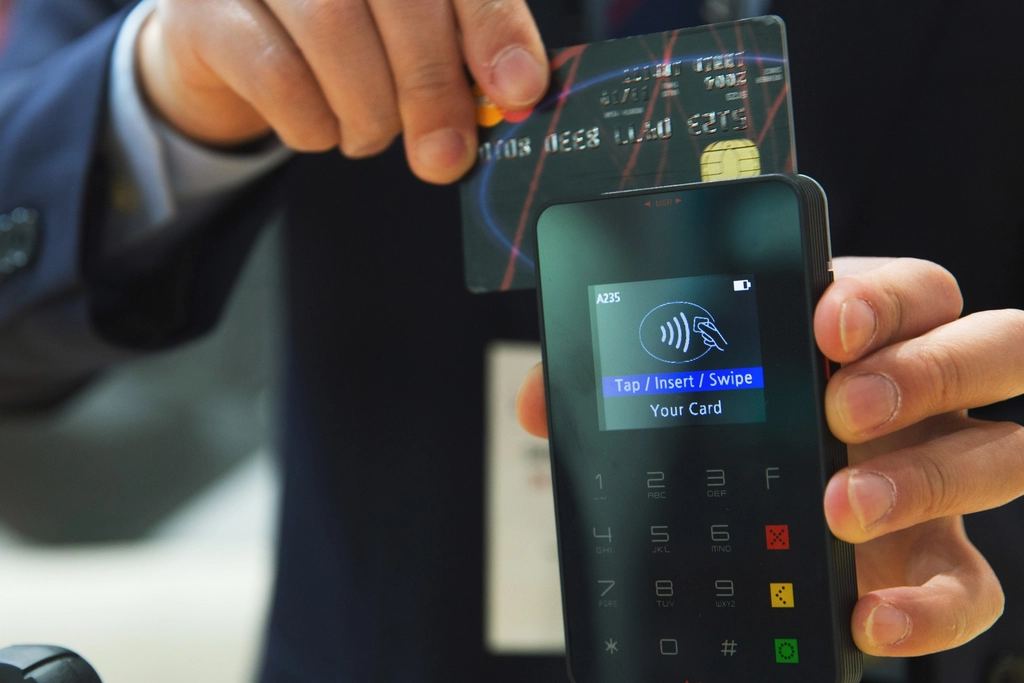
It's one of the most common scenes in a big bank branch in Hanoi: a newly arrived foreigner takes a number, waits twenty minutes, hands over a passport with a tourist visa, and is told politely that an account isn't possible yet, along with a printed list of documents. Opening an account here isn't hard once you're settled. It's just that three things catch almost everyone out, and none of them are about money.
Trip-up one: it's the bank's rules, not one national rule
There's no single law saying every foreigner needs a twelve-month visa to bank in Vietnam. What you'll actually meet is each bank's own policy, and in 2026 most of the big Vietnamese banks lean the same way: they want to see that you live here. In practice that usually means a temporary residence card (TRC) or a long-term visa, and often a work permit or labour contract. People on tourist visas are frequently turned away, while a few banks and individual branches have been more flexible at times.
So the useful advice is boring but true: phone or message two or three banks before you go, ask exactly which documents they need for a foreigner with your type of visa, and get the answer in writing if you can. Larger branches in central Hanoi and Ho Chi Minh City see foreign customers more often and tend to know the process.
Trip-up two: the face check that switches your app on
This is the one that surprises people after the account is open. Under Vietnam's central bank rules, since January 1, 2025 personal accounts can't be used for online payments or electronic withdrawals until the bank has matched your identity document with your biometric data, essentially your face. Vietnamese citizens can often do this in the app with their chip ID card. Foreigners generally do it in person at the bank, with their passport.
Two practical consequences. First, ask the bank to complete the biometric step on the same day you open the account; otherwise your shiny new app will refuse to send money. Second, when your passport, visa or TRC is renewed, update the bank. If the document on file expires, online transactions can be stopped until you bring in the new one. A lot of "my app suddenly stopped working" stories come down to exactly this.
Trip-up three: the phone number
Banks send one-time codes by SMS, and they expect the SIM to be registered in your name. A number borrowed from a friend, or a tourist SIM that expires next week, causes problems later. Get a properly registered local SIM first, then go to the bank.
What to bring on the day
Expect to be asked for your original passport, your TRC or long-term visa, your work permit or contract if you're employed, a local address, and your Vietnamese phone number. Some banks ask about the source of your funds, especially for larger deposits, and some require a small opening balance. Go on a weekday morning and allow an hour; bringing a Vietnamese-speaking colleague makes everything faster.
Choosing a bank
Large Vietnamese banks have the most branches and ATMs, and their apps handle the QR payments you'll see on every street stall. International banks with a presence in Vietnam may offer English-speaking staff and smoother international transfers, usually with higher minimum balances or fees. Before choosing, ask about monthly fees, card fees, the cost of receiving money from abroad, and whether the app works in English.
On a tourist visa?
Until your residence paperwork is done, most people manage with a foreign debit card that has low ATM fees, a multi-currency account from an online transfer service, and cash for daily spending. Once you have a TRC and a contract, try again; the process is usually routine.
Written in October 2026. Bank policies and State Bank of Vietnam rules change; confirm requirements directly with the bank. General information, not financial or legal advice.
John Le · Hanoi local · writes about money, work and everyday admin in Vietnam. Spotted an outdated price? Tell us and we will update it.